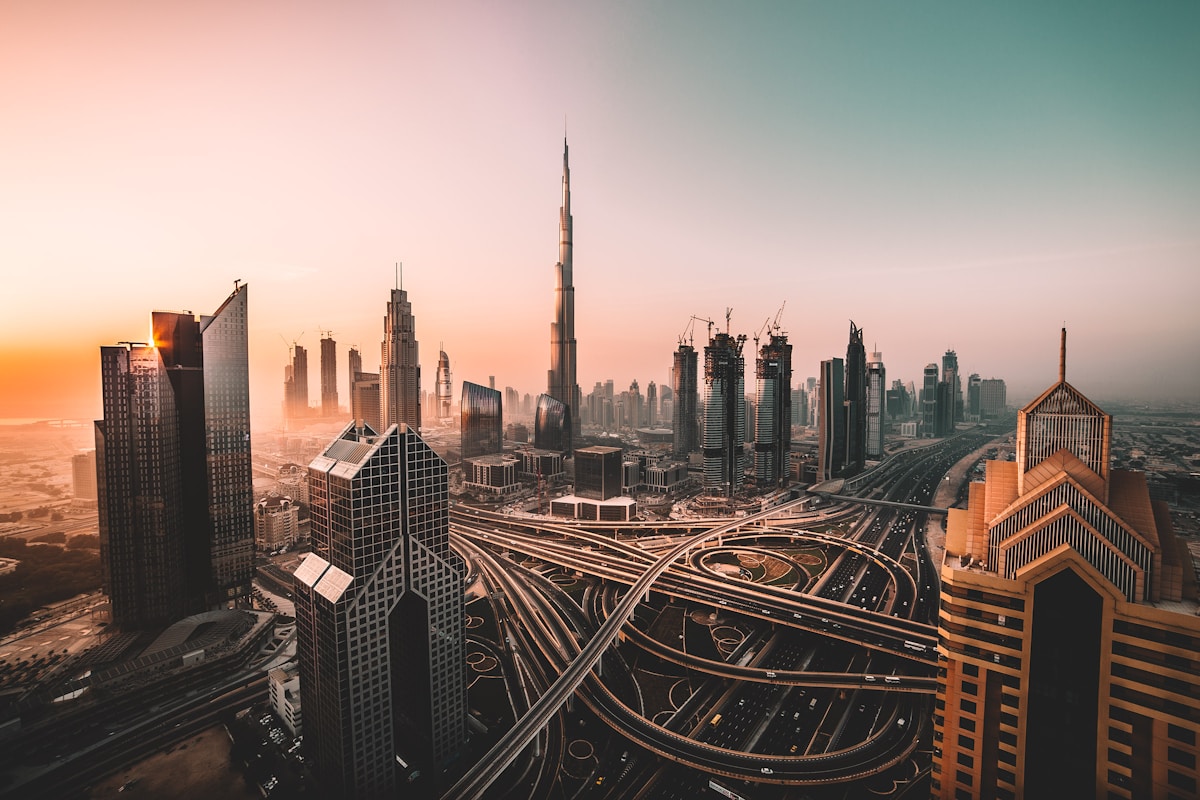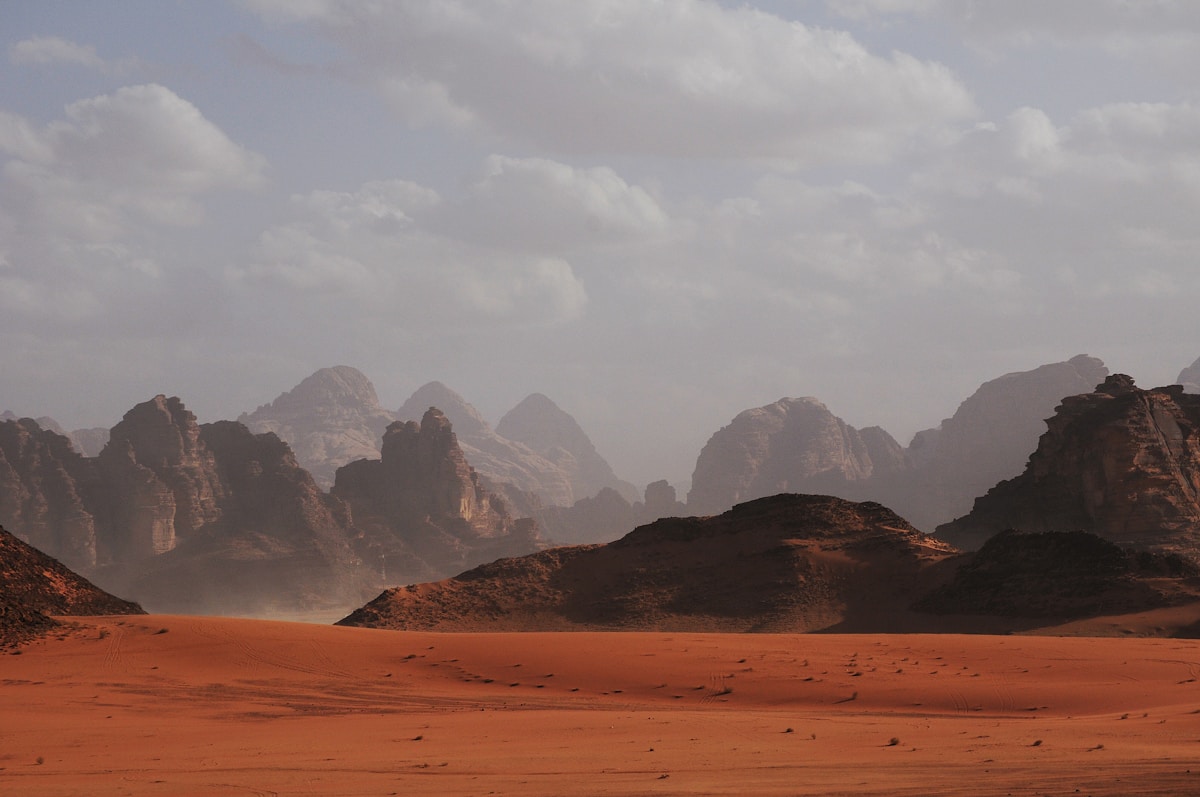
From the UNESCO rock tombs of Al-Ula and the starlit deserts of the Empty Quarter to Riyadh's extraordinary dining scene and the pristine Red Sea coast — Saudi Arabia is one of the most compelling luxury destinations on Earth right now.
Written by the Explorify specialist team · Published 1 October 2026
A Country That Changed Overnight — and Keeps Changing
Something extraordinary is happening in Saudi Arabia. A country that was almost entirely closed to leisure tourism a decade ago has become, in the space of just a few years, one of the most ambitious and genuinely surprising destinations in the world. The Vision 2030 program — a sweeping national transformation initiative — has repositioned Saudi Arabia as a place where discerning travelers can find desert landscapes of staggering beauty, ancient civilizations hidden in layered sandstone, and the kind of untouched terrain that the rest of the world's great destinations lost decades ago.
The Saudi Tourism Authority has been opening international access at remarkable speed, and the travelers arriving now — before the full infrastructure of mass tourism settles in — are experiencing something rare: a great destination in its earliest days of welcome, when the roads to the ancient sites are still quiet and the night skies above the desert are still genuinely dark.
Al-Ula: The World's Greatest Open-Air Museum
If there is one place in Saudi Arabia that demands the attention of any serious traveller, it is Al-Ula. Set in a vast valley of sculpted sandstone in the northwest of the country, Al-Ula contains Hegra — the first UNESCO World Heritage Site designated in Saudi Arabia — a Nabataean city of 111 monumental rock-cut tombs that predate Petra and remain in a state of preservation that takes the breath away.
The Nabataean civilization that built Hegra — the same people responsible for Petra in Jordan — chose this site for the quality of its sandstone and the natural water sources of the valley. The tombs they carved into the rose-colored rock have stood for over two thousand years, largely undisturbed, and the experience of walking among them at dawn — before the temperature rises and before any other visitors arrive — belongs in the category of travel moments that are genuinely difficult to describe in adequate terms.
- Hegra (Madain Saleh): Saudi Arabia's first UNESCO site — 111 Nabataean tombs carved directly into sandstone outcrops. Private dawn access, arranged in advance, transforms this from impressive to overwhelming.
- Jabal Ikmah: An open-air library of Nabataean, Lihyanite, and Aramaic inscriptions carved into cliff faces over centuries. One of the richest concentrations of ancient writing in the Arabian Peninsula.
- Elephant Rock (Jabal AlFil): A naturally eroded sandstone formation standing 52 meters high, most remarkable at dusk when the setting sun turns the rock deep amber against a darkening sky.
- Winter at Tantora: The annual festival — running from October through March — fills the ancient landscape with world-class music, stargazing programs, and art installations designed specifically for the desert setting.
The winter season is the window you want for Al-Ula. October through March brings daytime temperatures that make extended time outdoors genuinely pleasurable, and the night skies — with minimal light pollution across hundreds of kilometers in every direction — are among the finest stargazing conditions available anywhere in the world.
Riyadh: Ancient Heritage Meets the World's Most Ambitious Modernity
Saudi Arabia's capital is a study in contradictions that resolve, over a few days, into something entirely coherent. Riyadh is one of the fastest-growing cities on Earth, and its ambitions — architecturally, gastronomically, culturally — are visible at every turn. The Saudi National Museum in the Diplomatic Quarter offers the most comprehensive introduction to the Arabian Peninsula's deep history available anywhere; and the Diriyah district, the original home of the Al-Saud dynasty on the outskirts of the city, is a UNESCO-recognised site of extraordinary mud-brick At-Turaif architecture now surrounded by a carefully developed heritage experience.
The restaurant scene has undergone a transformation as dramatic as any in the region. International fine dining, regional Arabic cooking of genuine depth, and a café culture drawing from influences across Asia and Europe: Riyadh in 2026 is a city that rewards eating as attentively as any capital in the Middle East. For accommodation, the luxury hotel landscape now rivals Dubai, with properties that engage thoughtfully with the Najdi architectural tradition rather than simply importing generic global design.
The Red Sea Coast: Saudi Arabia's Next Great Discovery
Saudi Arabia's Red Sea coastline stretches for over 1,700 kilometers, and much of it remains almost entirely undeveloped. For divers and snorkellers, the Saudi Red Sea is a compelling reason in itself to build an itinerary around this destination. Reef systems that have not yet been subjected to decades of heavy tourist pressure, whale sharks, manta rays, and an extraordinary diversity of reef fish in waters of exceptional visibility: this coast is, for ocean-focused travelers, what the Maldives represented a generation ago.
The Red Sea Project — a conservation-led luxury tourism development occupying a coastal stretch north of Al-Wajh — is being built with environmental commitments that go well beyond the standard declarations. Independent assessments by bodies like WWF have acknowledged the significance of the Red Sea's coral reef systems, and the relative absence of disturbance in Saudi Arabia's coastal waters has contributed to reef health levels that more trafficked destinations cannot match.
When to Go and How to Travel
October through April is the optimal window across Saudi Arabia. The desert and highland regions — including Al-Ula — are genuinely comfortable during these months; summer heat limits the experience of archaeological sites and outdoor activities significantly. Ramadan, while culturally rich, affects dining availability and opening hours in ways worth planning around carefully rather than ignoring.
A well-designed Saudi Arabia journey typically runs eight to twelve days, combining Al-Ula in the north with Riyadh's cultural and culinary depth, and — for travelers with an interest in the coast — a Red Sea stay that adds a dimension no other region can provide. Each element moves at its own pace, and the contrast between the ancient silence of the Nabataean valley, the energy of the capital, and the stillness of the Red Sea at dawn makes for a journey with genuine variety of mood.
Saudi Arabia rewards those who come with genuine curiosity — an openness to a culture in remarkable transition, landscapes of extraordinary antiquity, and a hospitality that remains among the most sincere in the world. If your next journey is taking shape around the Kingdom, explore what we design for Saudi Arabia or speak with one of our Gulf specialists about building your itinerary from scratch.