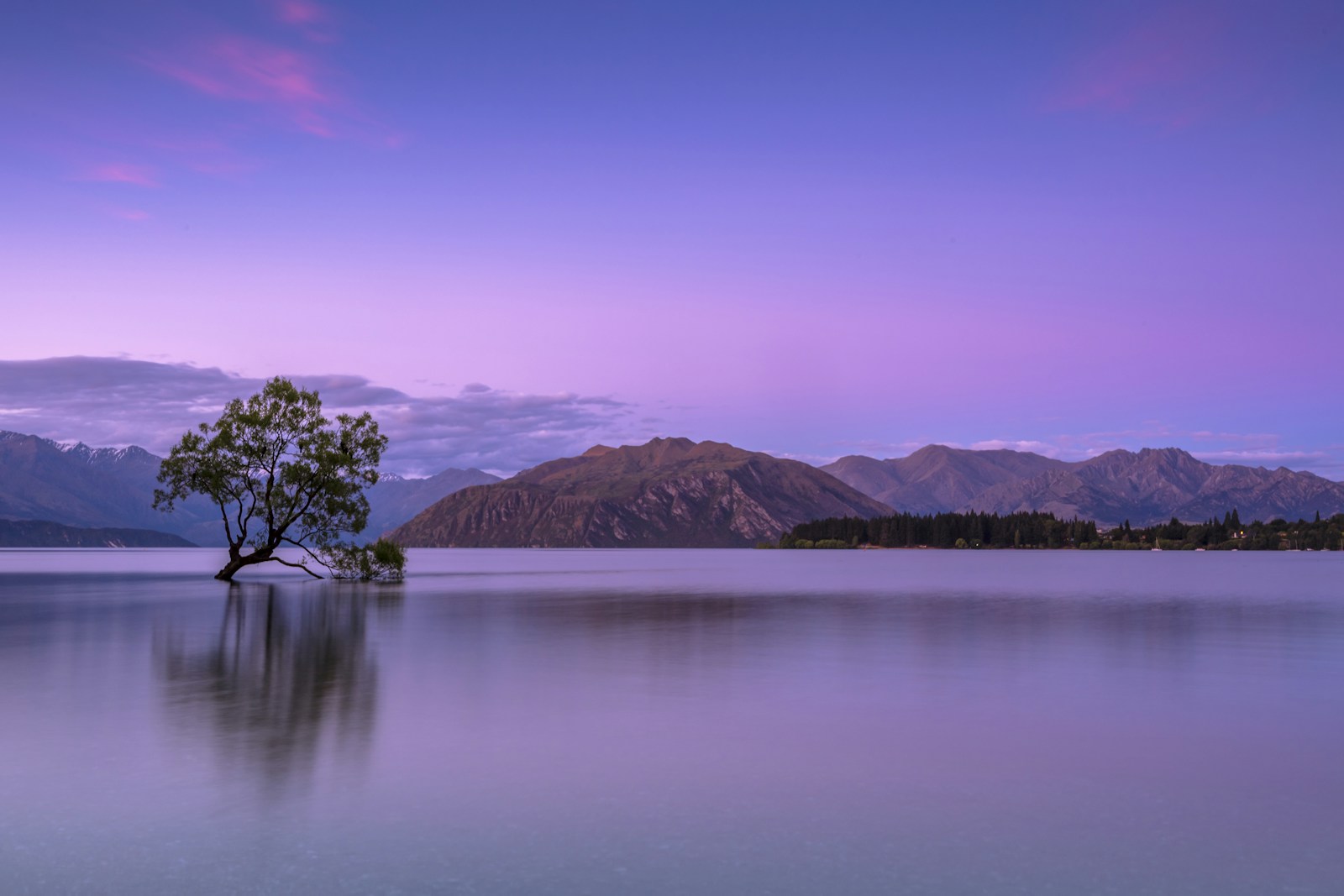
New Zealand
Earth's Most Cinematic Landscape
New Zealand packs more geographic variety into a smaller space than almost any country on earth: glaciers and tropical inlets, volcanic plateaus and fiord systems, wine-growing valleys and surf beaches. It was not a coincidence that Peter Jackson chose it as Middle Earth. In person, it is more extraordinary than any film can represent.
Fiordland National Park — Milford Sound, Doubtful Sound, Dusky Sound — is one of the world's great wilderness areas, accessible by private helicopter, luxury cruise vessel, or kayak in a way that turns landscape into personal experience. The South Island's Otago Peninsula, Central Otago wine country, and the Banks Peninsula offer slower, more intimate travel. The North Island holds Maori culture, the Tongariro Crossing (New Zealand's finest day hike), and Waiheke Island's vineyards by private launch from Auckland. Heli-skiing and heli-hiking in the Southern Alps give genuine adrenaline to those who want it.
Weather by Open-Meteo. Map © OpenStreetMap contributors.
Fiordland National Park
UNESCO World Heritage SiteThe largest national park in New Zealand and one of the most spectacular wilderness areas on earth, Fiordland's fiords — carved by glaciers over two million years — are among the most dramatic coastal landscapes in the world. Milford Sound and Doubtful Sound are the most accessible and most famous, but the park's inner fiords — Dusky Sound, Breaksea Sound, Preservation Inlet — are accessible only to those who commit to expedition-level journeys by helicopter or small ship.
Milford Sound
FiordThe most visited place in New Zealand and one of the world's great natural spectacles, Milford Sound is a 15-kilometer fiord flanked by granite walls rising 1,200 meters directly from the water, with Mitre Peak — the country's most photographed mountain — emerging from the sea. The fiord receives over 7 meters of rain annually, creating dozens of ephemeral waterfalls that appear and disappear with each weather system, and the wildlife — bottlenose dolphins, fur seals, Fiordland penguins — is encountered at close range year-round.
Queenstown & Southern Alps
Adventure HubThe self-styled adventure capital of the world, Queenstown sits on the shores of Lake Wakatipu beneath the jagged peaks of The Remarkables, offering the widest concentration of adrenaline activities in the southern hemisphere alongside some of New Zealand's finest restaurants and wine. Heli-skiing on the Harris Mountains, bungy jumping at the original Kawarau Bridge site, and jet boating through Skippers Canyon are the classic Queenstown experiences.
Tongariro National Park
UNESCO World Heritage SiteNew Zealand's oldest national park and the first in the world to be gifted to a nation by its indigenous people — the Ngati Tuwharetoa gifted it to the Crown in 1887 — Tongariro's volcanic landscape includes three active volcanoes, one of which (Mount Ruapehu) last erupted in 2007. The Tongariro Alpine Crossing, widely considered New Zealand's finest day hike, traverses lava fields, emerald crater lakes, and active steam vents in a landscape that served as Mordor in Peter Jackson's Lord of the Rings films.
Abel Tasman National Park
National ParkNew Zealand's smallest and most visited national park, Abel Tasman occupies a golden-sand coastal strip on the northern tip of the South Island where the sea shades from green to cobalt to turquoise in rapid succession. Sea kayaking between sheltered coves, swimming with New Zealand fur seals at Tonga Island, and walking the five-day Abel Tasman Coast Track — with water taxi support so you never carry more than a day's supplies — make this the country's most accessible wilderness experience.
Bay of Islands
Marine AreaA subtropical cruising ground of 144 islands two hours north of Auckland, the Bay of Islands is where New Zealand's colonial history began — the Waitangi Treaty, signed here in 1840, remains the country's founding document. Sailing the bay by private yacht between fishing villages, Maori pa sites, and deserted beaches, with swimming with wild dolphins as a daily possibility, makes this one of the finest sailing destinations in the southern hemisphere.
Design Your New Zealand Journey
Your dedicated Australasia & Oceania specialist will build your itinerary from scratch — from the first conversation to the last day.
Enquire About New ZealandSchedule a ConversationWhatsApp Us NowResponse within 24 hours · No obligation
New Zealand: your questions, answered
When is the best time to visit New Zealand?
The best time to visit New Zealand is October to April (southern spring and summer; December–February warmest). Explorify times every itinerary to the season, so your specialist will confirm the ideal weeks for what you most want to experience.
How many days do I need in New Zealand?
Plan for 12–20 days. Because every Explorify journey is designed from scratch, the exact length is shaped around your pace and interests.
What are the highlights of New Zealand?
Milford Sound helicopter and private cruise. Fiordland overnight kayaking expedition. Central Otago private winery tour and cellar stays. Tongariro Alpine Crossing — guided private group. Top places include Fiordland National Park, Milford Sound, Queenstown & Southern Alps and Tongariro National Park.
How much does a private journey to New Zealand cost?
Private Explorify journeys to New Zealand start from $9,500 per person. The final figure depends on the season, where you stay and how you travel, and your specialist designs the journey to the level you choose.
How does Explorify plan a trip to New Zealand?
A dedicated Australasia & Oceania specialist who has visited New Zealand builds your itinerary from a blank page, handles flights, transfers and logistics end-to-end, and stays available 24/7 while you travel. There are no group departures, shared vehicles or off-the-shelf packages.
Plan Your New Zealand Journey
Tell us about your dream trip and your dedicated New Zealand specialist will respond within 24 hours.