Japan
Depth & Precision
Japan is a country of infinite layers. The surface — neon-lit Tokyo, bullet trains, cherry blossoms — is extraordinary. Below it lies one of the world's great cultures: 1,400 years of Buddhist and Shinto tradition, a cuisine philosophy that treats a bowl of ramen with the same seriousness as a Michelin-starred tasting menu, a concept of hospitality — omotenashi — that anticipates your needs before you have expressed them.
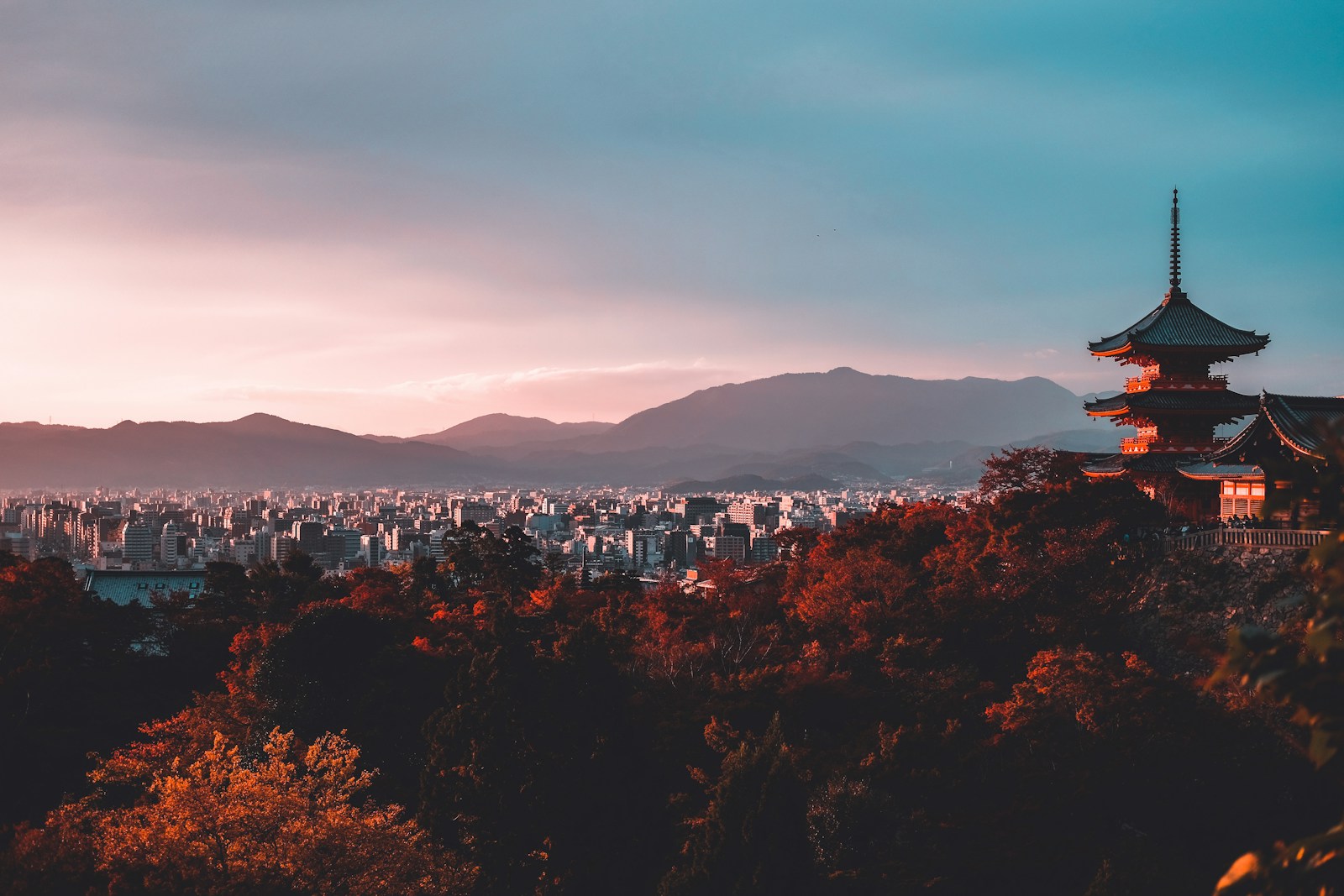
Kyoto contains more UNESCO World Heritage sites than any city in the world. A private Explorify Kyoto itinerary — guided by a scholar of Japanese art and religion — transforms the temples, gardens, and tea houses from beautiful objects into a living civilisation. Tokyo rewards those who go deep into its neighbourhoods: Yanaka's preserved Edo-era streetscape, Nezu Shrine at dawn, a sake tasting in a 200-year-old brewery. The ryokan inns of the mountain onsen towns — Kinosaki, Kurokawa, Nyuto — offer a form of luxury that has no Western equivalent.
Kyoto
Historic CityJapan's imperial capital for over a thousand years, Kyoto contains 17 UNESCO World Heritage sites — including Kinkaku-ji (the Golden Pavilion), Fushimi Inari's 10,000 vermilion torii gates, and Arashiyama's bamboo grove — along with 1,600 Buddhist temples and 400 Shinto shrines. A private itinerary guided by a scholar of Japanese religion and art transforms these places from sights into a living civilisation.
Tokyo
Capital CityThe world's largest metropolis and one of its most fascinating cities, Tokyo is a place of extraordinary contrasts — ancient Senso-ji temple and the neon-lit Shibuya crossing, a 200-year-old sake brewery and the world's most advanced cuisine. Exploring its distinct neighbourhoods — Yanaka's Edo-era streetscape, Shimokitazawa's vintage culture, Tsukiji's fish market at dawn — requires guidance and curiosity in equal measure.
Mount Fuji & Hakone
Mountain & National ParkJapan's iconic dormant volcano and national symbol, Fuji-san at 3,776 metres is the country's highest peak and one of the most photographed mountains in the world. Hakone, the classic viewpoint in the national park to the east, offers ryokan retreats, open-air museums, and the Owakudani volcanic valley where Fuji's reflection appears in Lake Ashi on clear mornings.
Hiroshima Peace Memorial
UNESCO World Heritage SiteThe A-Bomb Dome — the skeletal iron frame of the Prefectural Industrial Promotion Hall, the only structure left standing near the epicentre of the world's first atomic bomb attack in August 1945 — is a UNESCO World Heritage site of profound significance. The Peace Memorial Museum and the Hiroshima Peace Memorial Park create a space of reflection and commitment to nuclear abolition that no visitor to Japan should miss.
Nara
UNESCO Heritage CityJapan's first permanent capital and home to some of the country's oldest Buddhist temples, Nara is famous above all for its population of over 1,200 freely roaming sika deer, considered sacred messengers of the gods, which bow to receive biscuits from visitors throughout the vast Nara Park. Todai-ji — the world's largest wooden structure, housing a 15-metre bronze Buddha — is one of Japan's most impressive buildings.
Kyushu Onsen — Beppu & Yufuin
Hot Spring TownThe island of Kyushu produces more hot spring water than anywhere in the world outside Iceland, and Beppu's 'Hells' — brightly coloured boiling pools of azure blue, blood red, and grey mud — are among Japan's most extraordinary geological phenomena. The nearby village of Yufuin, where traditional ryokan inns sit among rice fields beneath the volcanic peak of Yufu-dake, offers one of Japan's finest onsen-town experiences.
Design Your Japan Journey
Your dedicated Asia specialist will build your itinerary from scratch — from the first conversation to the last day.
Enquire About JapanWhatsApp Us NowResponse within 24 hours · No obligation
Plan Your Japan Journey
Tell us about your dream trip and your dedicated Japan specialist will respond within 24 hours.
© 2026 Explorify LLC · [email protected] · +1 (431) 533-9900