Oman
The Arabian Peninsula at Its Finest
Oman is the Arab world's finest travel secret — a country of ancient forts, sculpted desert dunes, incense-filled souks, and one of the warmest cultures of hospitality in the world. Unlike its neighbours, Oman has developed tourism thoughtfully, preserving its traditions rather than selling them.
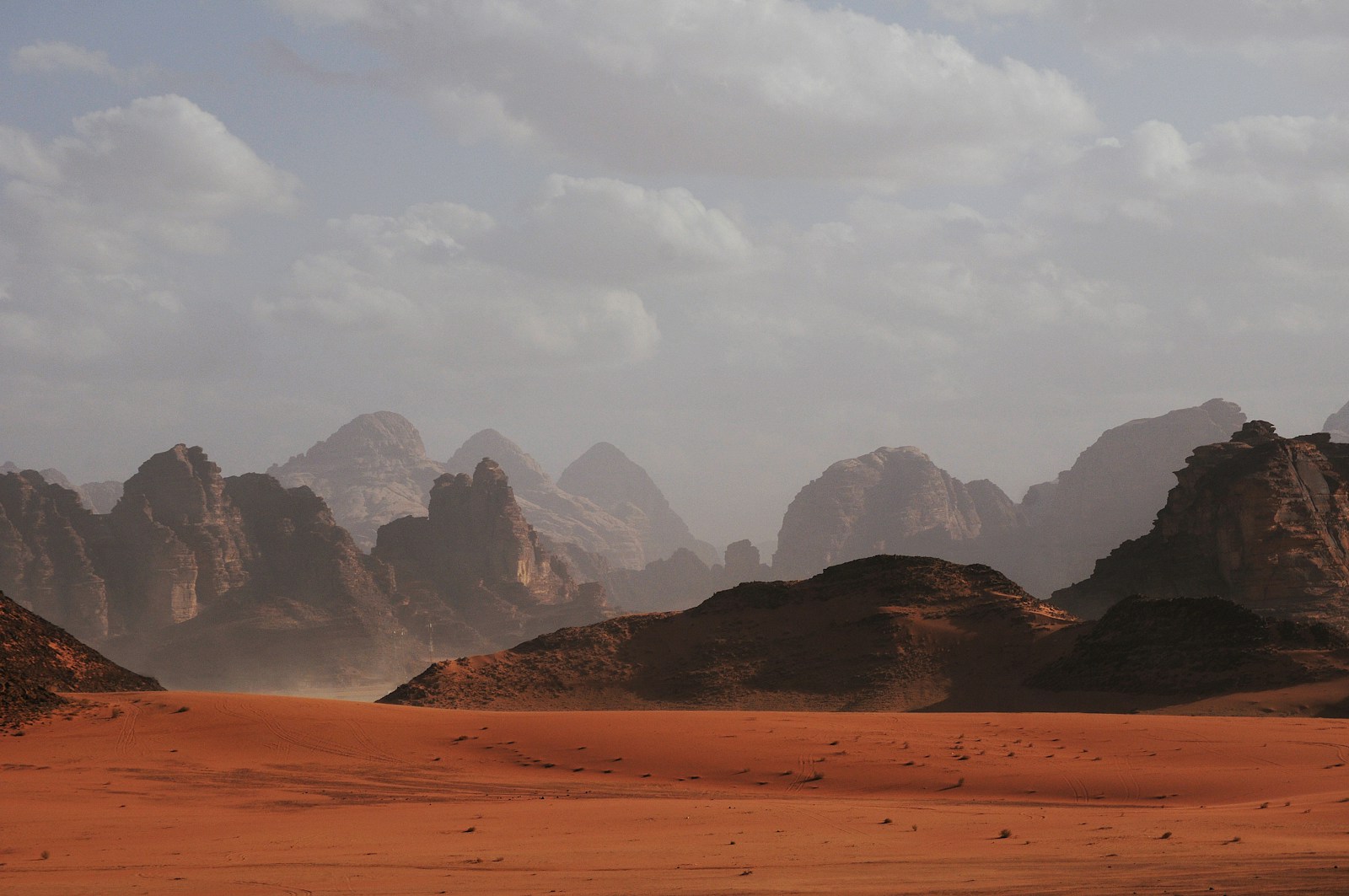
The Wahiba Sands is a desert of exceptional beauty — a private tented camp in the dunes, with falconry at dusk and a Bedouin meal under the stars, is the quintessential Oman experience. Muscat's old corniche, the Sultan Qaboos Grand Mosque, and the Mutrah Souk are the finest urban combination in the Arabian Peninsula. The Hajar Mountains, with their ancient falaj irrigation channels and abandoned hilltop villages, offer a landscape entirely unlike the Gulf's beach-and-shopping model. The Musandam fjords, reachable by dhow, are among the most dramatic coastal landscapes in the Middle East.
Weather by Open-Meteo. Map © OpenStreetMap contributors.
Wahiba Sands (Sharqiyah Sands)
DesertA sea of orange and crimson dunes rising to 100 meters that stretches 180 kilometers across the interior of eastern Oman, the Wahiba Sands is home to Bedouin tribes who have adapted their way of life to this extraordinary landscape for thousands of years. Private tented camps among the dunes — with falconry demonstrations at sunset, a traditional Omani feast under the stars, and a dawn camel ride along the crests — are the defining Oman experience.
Muscat Old Town & Mutrah Souk
Historic CityThe compact, beautifully preserved historic quarter of Muscat combines the whitewashed Al Jalali and Al Mirani forts guarding the harbour entrance — built by the Portuguese in the 16th century — with the Mutrah Corniche and the extraordinary Mutrah Souk, where incense, silverware, Omani khanjars, and frankincense have been traded for centuries in a covered warren of alleyways.
Sultan Qaboos Grand Mosque
MosqueOne of the finest works of Islamic architecture completed in the 21st century, the Sultan Qaboos Grand Mosque in Muscat took six years to build and can accommodate 20,000 worshippers. The main prayer hall's Persian carpet — 4,343 square meters, hand-woven by 600 women — was the world's largest when installed, and the Swarovski crystal chandelier at its center weighs eight tonnes.
Hajar Mountains & Jebel Akhdar
Mountain RangeThe dramatic limestone range running the length of northern Oman, the Hajar Mountains rise to 3,000 meters and contain ancient falaj irrigation channels, 1,000-year-old terraced gardens growing pomegranates and roses, and hilltop villages of extraordinary beauty. Jebel Akhdar ('Green Mountain') is famous for its damask roses, harvested each spring and distilled into rose water that has been exported across Arabia for centuries.
Nizwa Fort & Souk
Historic FortressBuilt in the 17th century around an enormous round tower 40 meters in diameter, Nizwa Fort was for centuries the most important defensive and administrative center in the Omani interior. The traditional Nizwa Souk below the fort on Friday mornings is one of the most authentic markets in Arabia — a livestock auction, silversmith stalls, and vegetable sellers operating exactly as they have for hundreds of years.
Musandam Peninsula
Fjord RegionAn Omani exclave separated from the rest of the country by the UAE, the Musandam Peninsula's dramatic fjords — khor in Arabic — are often called the 'Norway of Arabia.' Traditional dhow cruises through the narrow inlets, past sheer limestone cliffs and small fishing villages accessible only by sea, offer one of the most dramatic coastal experiences in the Middle East, with dolphins accompanying the boat and wild mountain goats visible on the cliff faces above.
Design Your Oman Journey
Your dedicated Asia specialist will build your itinerary from scratch — from the first conversation to the last day.
Enquire About OmanSchedule a ConversationWhatsApp Us NowResponse within 24 hours · No obligation
Oman: your questions, answered
When is the best time to visit Oman?
The best time to visit Oman is October to April (avoiding summer heat; winter is ideal). Explorify times every itinerary to the season, so your specialist will confirm the ideal weeks for what you most want to experience.
How many days do I need in Oman?
Plan for 7–12 days. Because every Explorify journey is designed from scratch, the exact length is shaped around your pace and interests.
What are the highlights of Oman?
Wahiba Sands private desert camp — falconry and stargazing. Mutrah Souk and Muscat's historic old town. Hajar Mountain drive and falaj village exploration. Musandam fjords by traditional dhow. Top places include Wahiba Sands (Sharqiyah Sands), Muscat Old Town & Mutrah Souk, Sultan Qaboos Grand Mosque and Hajar Mountains & Jebel Akhdar.
How much does a private journey to Oman cost?
Private Explorify journeys to Oman start from $6,000 per person. The final figure depends on the season, where you stay and how you travel, and your specialist designs the journey to the level you choose.
How does Explorify plan a trip to Oman?
A dedicated Asia specialist who has visited Oman builds your itinerary from a blank page, handles flights, transfers and logistics end-to-end, and stays available 24/7 while you travel. There are no group departures, shared vehicles or off-the-shelf packages.
Plan Your Oman Journey
Tell us about your dream trip and your dedicated Oman specialist will respond within 24 hours.