Kenya
Where the Savanna Breathes
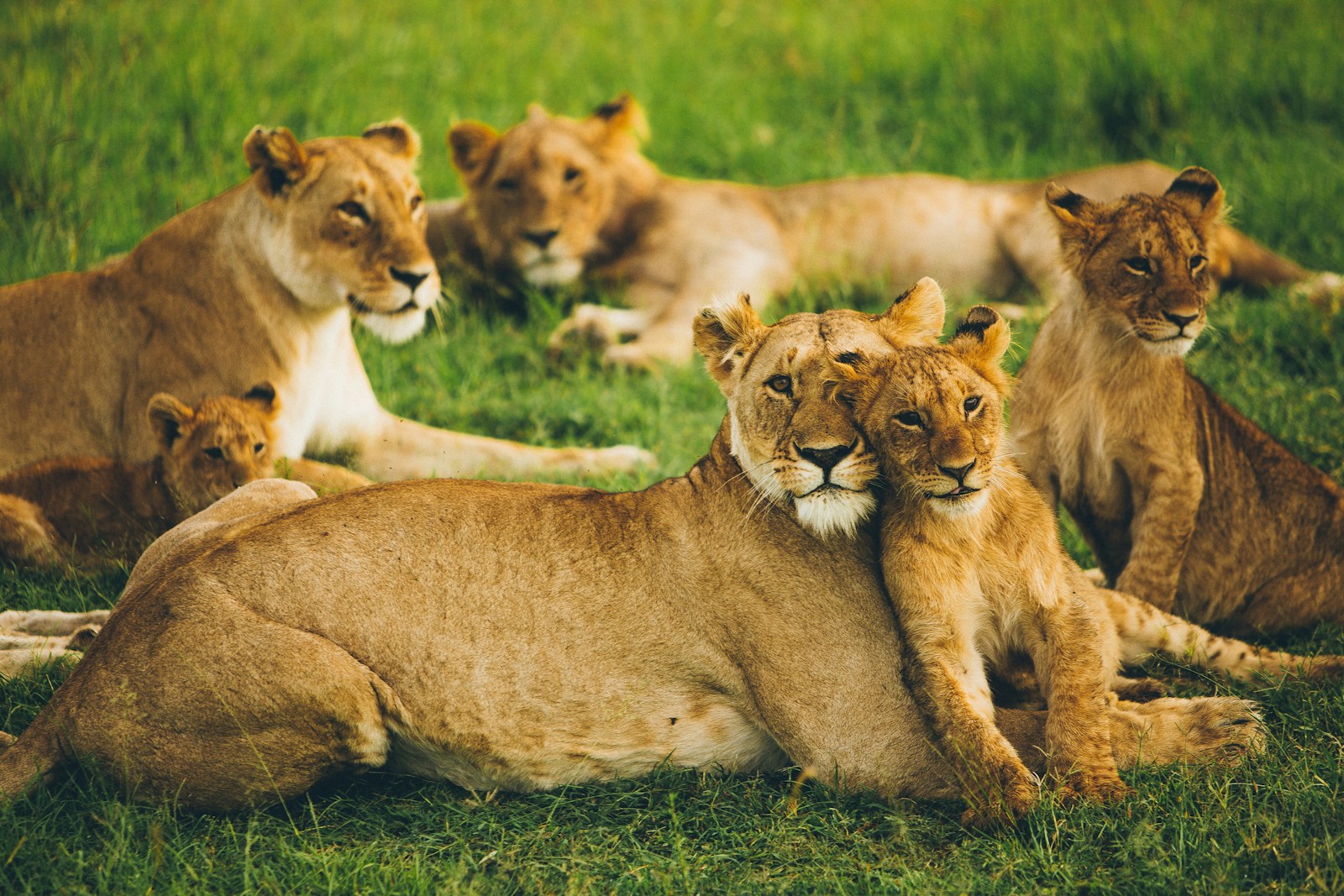
Kenya is the original safari destination — and in the right hands, it remains the finest on earth. The Maasai Mara is home to the greatest wildlife spectacle in nature: the Great Migration, when over a million wildebeest pour across the Mara River in a chaos of predators, survival, and raw instinct.
But Kenya is far more than the Mara. The private conservancies bordering the national reserve — Olare Motorogi, Naboisho, Ol Kinyei — offer a level of exclusivity impossible inside the park itself. Night drives, bush walks, and sundowners on private hillsides are all permitted here. The Laikipia Plateau offers a completely different landscape — arid rangelands where elephant conservation and community tourism have transformed the region. Kenya's coast, from Lamu Old Town to the Watamu reef, offers a seamless extension from safari to sea.
Weather by Open-Meteo. Map © OpenStreetMap contributors.
Kenya: Where the Savanna Opens
7 nights
Best time to travel: Kenya can be explored through much of the year. The drier months are often favored for game viewing, and your specialist will shape the timing around what you wish to see.
- Day 1
Arrival in Nairobi
You land, and someone is already waiting. A private transfer carries you to a quiet, characterful house, where the evening is yours to slow down.
- Day 2
Into the Rift
A private flight or drive takes you toward the Great Rift Valley. By afternoon you are settled beside a lake, listening to the edge of the day.
- Day 3
The Valley at Dawn
Rise early. Set out on foot or by boat with a naturalist who knows these shores. The light is soft, and the morning is unhurried.
- Day 4
Across to the Mara
A short flight crosses the open country. You arrive at a private conservancy camp on the edge of the Mara, where the canvas is spacious and the silence is wide.
- Day 5
Your Own Game Drive
Your vehicle is yours alone, and so is your guide. Leave when the air is cool and return when you choose. Bush breakfasts are laid out under a lone tree.
- Day 6
Walking the Grassland
A guided walk reveals what a vehicle cannot: tracks, scents, the small and the subtle. In the evening, a fire and a long table await beneath open sky.
- Day 7
A Maasai Afternoon
Spend time with a Maasai community in a visit arranged with care and respect. Conversation comes first. The sundowner that follows is quiet and golden.
- Day 8
The Long Way Home
One last sunrise over the plains. A flight returns you to Nairobi, and onward to wherever home may be. The grassland stays with you, long after the dust has settled from your boots.
- Every camp and guide recommended has been personally visited and vetted by our team.
- Private vehicles and private guides throughout, never shared with strangers.
- Time, pace and experiences shaped around you, not a fixed departure.
A sample only. Every Explorify journey is designed from a blank page around you.
Tell Us Your DreamMaasai Mara National Reserve
Wildlife ReserveThe northern extension of the Serengeti ecosystem, the Mara is one of the world's greatest wildlife spectacles at any time of year, and extraordinary from July to October when over a million wildebeest cross the Mara River in the company of crocodiles. The private conservancies bordering the reserve — Naboisho, Olare Motorogi, Ol Kinyei — offer night drives and walking safaris impossible inside the park.
Amboseli National Park
National ParkSet against the base of Kilimanjaro, Amboseli is Kenya's most iconic photographic destination — large free-ranging elephant herds moving across open plains with Africa's highest peak rising snow-capped behind them. The park's swamps, fed by underground meltwater from the mountain, attract massive concentrations of buffalo, giraffe, zebra, and predators year-round.
Laikipia Plateau
Conservation AreaA network of private ranches and conservancies covering 9,500 square kilometers north of the Equator, Laikipia is home to the second-largest elephant population in Kenya and one of the last strongholds for wild dogs, black rhino, and Grevy's zebra. Horseback safaris, camel-back walking, and night game drives are all possible here in ways unavailable in standard national parks.
Lamu Old Town
UNESCO Heritage SiteThe oldest and best-preserved Swahili settlement in East Africa, Lamu's ancient stone town has changed almost nothing since the 14th century — there are no cars on the island, and donkeys remain the primary means of transport. The carved wooden doors, coral-stone architecture, and living culture of Arabic, Persian, Indian, and African traditions are among the most distinctive in the world.
Tsavo National Parks
National ParkThe two Tsavo parks together form Kenya's largest protected area and one of Africa's most dramatic landscapes — red laterite plains, lava flows, and the emerald Galana River cutting through the dust. Tsavo is famous for its red-dust-stained elephants, large lion prides, and the spectacular Lugard's Falls where the river drops through polished rock channels.
Lake Nakuru National Park
National ParkA soda lake in the Great Rift Valley floor, Lake Nakuru was once home to the world's largest flamingo gathering — up to two million birds turning the shoreline pink. The park is also one of Kenya's most important rhino sanctuaries, with both black and white rhinos roaming its acacia forest and euphorbia forest.
Design Your Kenya Journey
Your dedicated Africa specialist will build your itinerary from scratch — from the first conversation to the last day.
Enquire About KenyaSchedule a ConversationWhatsApp Us NowResponse within 24 hours · No obligation
Kenya: your questions, answered
When is the best time to visit Kenya?
The best time to visit Kenya is July to October for the Great Migration; June and November–March also excellent. Explorify times every itinerary to the season, so your specialist will confirm the ideal weeks for what you most want to experience.
How many days do I need in Kenya?
Plan for 8–16 days. Because every Explorify journey is designed from scratch, the exact length is shaped around your pace and interests.
What are the highlights of Kenya?
Mara River crossings during the Great Migration (July–October). Private conservancy game drives with night safari access. Laikipia elephant encounters on horseback or foot. Lamu Old Town and the Swahili coast by dhow. Top places include Maasai Mara National Reserve, Amboseli National Park, Laikipia Plateau and Lamu Old Town.
How much does a private journey to Kenya cost?
Private Explorify journeys to Kenya start from $8,500 per person. The final figure depends on the season, where you stay and how you travel, and your specialist designs the journey to the level you choose.
How does Explorify plan a trip to Kenya?
A dedicated Africa specialist who has visited Kenya builds your itinerary from a blank page, handles flights, transfers and logistics end-to-end, and stays available 24/7 while you travel. There are no group departures, shared vehicles or off-the-shelf packages.
Plan Your Kenya Journey
Tell us about your dream trip and your dedicated Kenya specialist will respond within 24 hours.