Sakura season in Japan lasts roughly two weeks per city and shifts northward as spring progresses — understanding the forecast, the crowds, and the right places to be transforms it from beautiful to unforgettable.
What Makes Sakura Season Different
Japan is extraordinary in any season. But the two or three weeks when the cherry blossoms are at peak bloom occupy a category of their own. The Japanese have a word for it — hanami, literally "flower viewing" — and the tradition of gathering beneath sakura trees with food, drink, and company has been observed for over a thousand years. There is a reason it endures: the blossoms are genuinely, almost bewilderingly beautiful, and their brevity gives the experience a quality of attention that few other travel moments match.
The challenge, as with all things Japan, is in the preparation. Peak bloom in Tokyo lasts roughly ten days. Crowds in the most famous parks can be extraordinary. Hotel prices surge dramatically. And the bloom date itself shifts by up to three weeks from one year to the next, depending on winter temperatures. Arriving in Japan expecting sakura and finding bare branches — or petals already on the ground — is a disappointment entirely preventable with the right planning.
The Japan National Tourism Organization publishes annual bloom forecasts, typically from January onwards, which provide reliable guidance on expected peak dates by city. These forecasts tighten significantly as the season approaches and are an essential planning tool.
Following the Blossoms North: A Two-Week Window Across the Country
The genius of a well-designed sakura itinerary is that the blossoms do not all peak at once. They move. Warmer southern cities like Kyoto and Tokyo bloom first, typically in late March or early April, while Tohoku and Hokkaido follow weeks later. A thoughtfully structured trip can follow spring northward, staying a step ahead of peak bloom city by city.
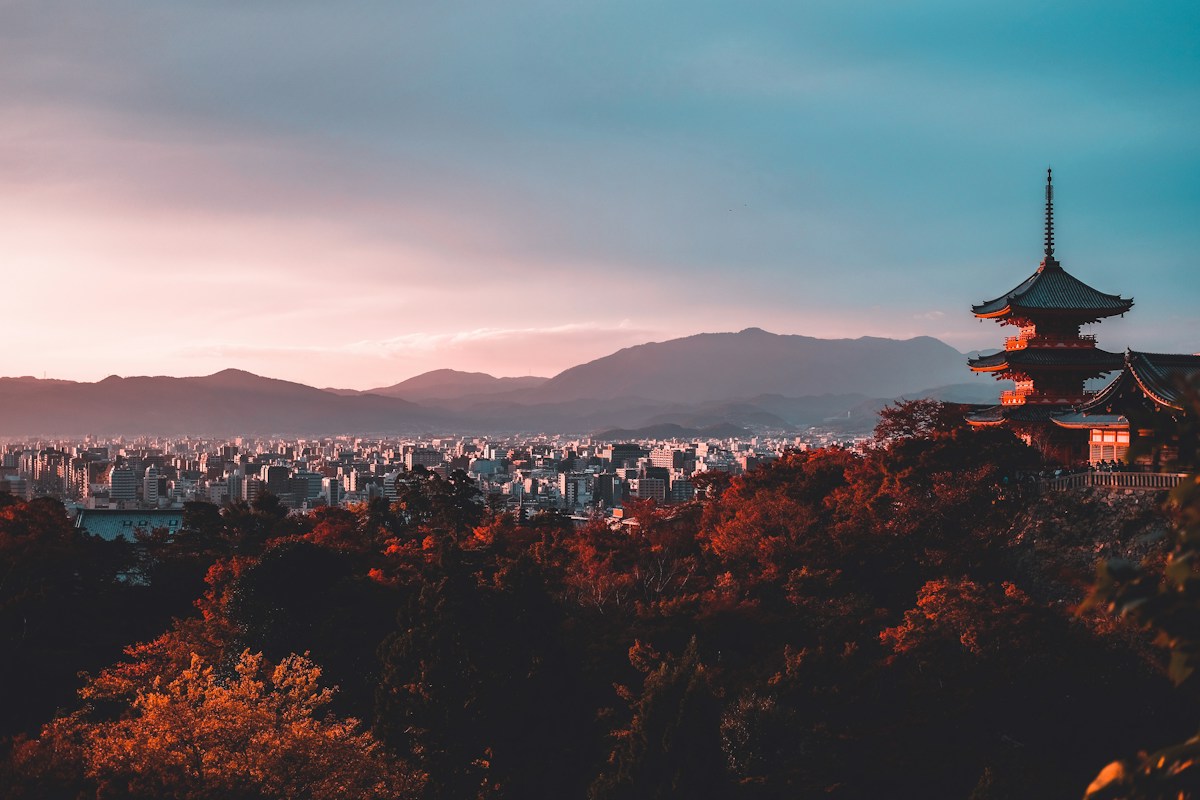
- Kyoto: Typically late March to early April. Maruyama Park, the Philosopher's Path, and the grounds of Kiyomizu-dera Temple are iconic. Book ryokan accommodations months ahead — Kyoto fills faster than any city in Japan during bloom season.
- Tokyo: Typically late March to early April, usually within days of Kyoto. Shinjuku Gyoen, Ueno Park, and the lesser-known Koganei Park in the western suburbs each offer a different character of bloom.
- Hirosaki, Aomori: Typically late April to early May. Hirosaki Castle sits within one of the most spectacular sakura parks in Japan — and receives a fraction of the visitors that Kyoto and Tokyo do.
- Hokkaido: Typically late April to early May. Matsumae Park in the south of the island is the first to bloom; Sapporo's Maruyama Park follows shortly after.
This progression makes a 12-to-14-day itinerary genuinely viable. Start in Kyoto and Nara, move to Tokyo and Nikko, then head north on the Shinkansen to Tohoku and, if time allows, Hokkaido. Each stop delivers a different landscape — feudal castle grounds, urban parks, mountain rivers — with blossoms as the consistent thread.
Where to Stay During Peak Season
Accommodation during sakura season requires planning that begins in autumn of the preceding year, particularly in Kyoto. The most sought-after ryokan — traditional inns with tatami rooms, in-room kaiseki dining, and private onsen baths — fill a full six months ahead of peak dates. This is not hyperbole. If you decide in February that you want a certain property in Kyoto for late March, you will almost certainly find it fully booked.
The principle that guides accommodation selection during sakura season is the same one that guides most luxury travel decisions: proximity and quality of positioning matter more than surface-level amenities. A mid-range ryokan five minutes' walk from the Philosopher's Path during golden-hour bloom will deliver more than a celebrated hotel on the other side of the city that requires a taxi to reach anything meaningful.
Some of the most memorable accommodation options sit slightly outside the most visited neighbourhoods. In Kyoto, the Higashiyama district offers traditional machiya townhouses that can be rented in their entirety — a private experience quite unlike staying in even the finest hotel. In Tokyo, smaller ryokan in Yanaka or Koenji provide a neighbourhood rhythm absent from the central districts.
Managing the Crowds — and Finding the Quiet Moments
Hanami season is among the busiest travel periods in Japan. Domestic tourism surges as much as international, and the most famous parks — Ueno in Tokyo, Maruyama in Kyoto — can feel genuinely crowded at midday on a weekend. This is worth knowing, not to discourage you, but to help you plan around it.
The light in the early morning — before 7 a.m., before the picnic blankets appear — is different in kind from the light at noon. Early morning is when the blossoms look the way they do in photographs: soft, still, lit from behind. It is also when you have the path to yourself. Building early starts into each day during sakura season is one of the most reliable ways to experience the beauty the season promises without the noise that can accompany it.
Evening visits — particularly where lanterns illuminate the trees after dark, a practice called yozakura — offer another kind of quiet. Hirosaki Castle Park is particularly celebrated for its yozakura illuminations and draws visitors from across Japan for exactly this reason.
If Japan during cherry blossom season is on your horizon, speak with our Japan specialist about designing an itinerary that moves with the bloom, stays ahead of the crowds, and builds in the kind of early-morning moments that make the experience last.