Indonesia stretches across 17,000 islands and contains more distinct travel worlds within its borders than most regions on Earth — from Bali's living Hindu culture to the prehistoric drama of Komodo and the most biodiverse marine environment on the planet.
Written by the Explorify specialist team · Published 25 September 2026
An Archipelago of 17,000 Islands — and Three Reasons to Go Now
Indonesia is the world's largest archipelago — 17,000 islands spanning a distance greater than the width of the continental United States, from Sabang in the northwest to Merauke in the east. Most visitors arrive knowing Bali. The travelers who discover what lies beyond — the volcanic drama of Lombok, the prehistoric landscapes of Komodo, the extraordinary underwater world of Raja Ampat in West Papua — tend to view Bali, retrospectively, as the beginning of a much longer conversation with one of the world's most rewarding destinations.
The Indonesia Tourism Authority has developed the country's international connectivity significantly in recent years, and the result is that destinations once accessible only to expedition divers and dedicated adventurers are now reachable on well-scheduled domestic routes with exceptional lodge accommodation at the other end. Indonesia rewards ambition. A well-designed itinerary that combines Bali's cultural depth with Komodo's natural extremity and Raja Ampat's marine biodiversity creates an experience of breadth and contrast available nowhere else in the region.
Bali: Beyond the Rice Terraces
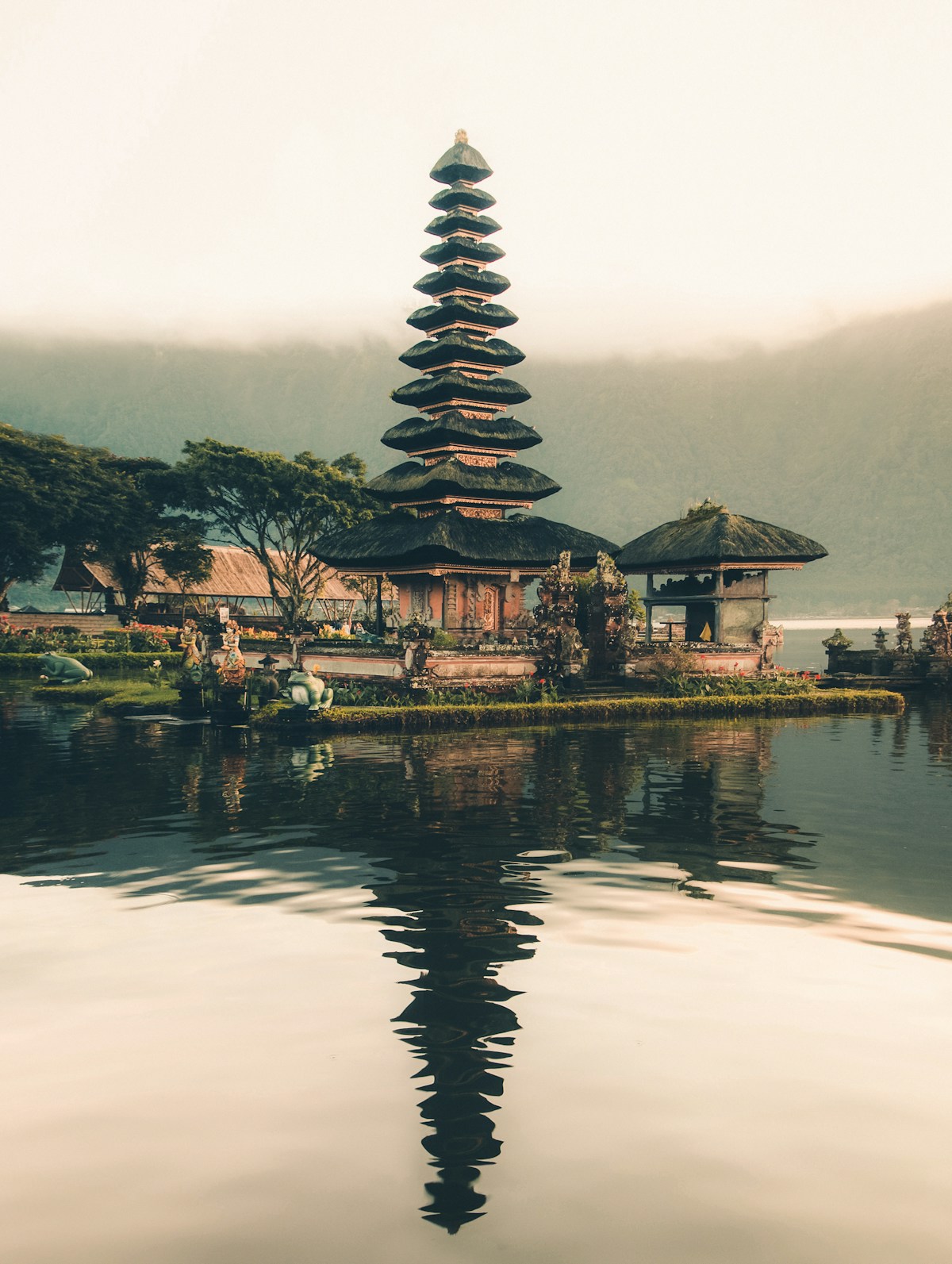
Bali's identity in the travel imagination rests on a handful of images: the rice terraces of Tegallalang, sunrise over the Besakih temple complex, the dance performances of Ubud. These images are real, and they undersell the island. Bali's cultural life — its network of Hindu temples, its ceremonial calendar, its traditions of carving, weaving, painting, and dance that permeate daily life rather than existing for tourist consumption — is one of the most continuously living cultural expressions in Southeast Asia. The UNESCO World Heritage-listed Subak irrigation system, which has organized the island's rice cultivation and its associated ritual life for a thousand years, is the best evidence that Bali's culture is an operating reality, not a performance.
Ubud — the island's cultural and artistic center in the highlands — offers the most direct access to that reality: private early-morning temple visits with a Balinese guide who can explain the ritual significance of what you are witnessing, cooking classes in family compound kitchens, and evenings at a genuine Kecak fire dance performance far from the commercial venues on the tourist circuit. The accommodation offer in and around Ubud has evolved to include some of the finest villa properties in Asia — private infinity pools above the jungle canopy, open-air pavilion rooms looking across rice paddies at dawn — making it possible to inhabit Bali's beauty rather than simply observe it.
- Tegallalang rice terraces: Most beautiful in the early morning before the light flattens — worth an alarm set for 6 a.m.
- Besakih: Bali's Mother Temple on the slopes of Mount Agung, most atmospheric during ceremony days when the processions arrive in full dress.
- Nusa Penida: A short boat crossing from Bali's east coast, this island offers dramatic cliffside landscapes and snorkelling encounters with manta rays that the main island cannot replicate.
Komodo: Where the Prehistoric Survives
Komodo National Park, a UNESCO World Heritage Site in the Lesser Sunda Islands, contains both the last wild population of Komodo dragons on Earth and some of the most spectacular marine environments in the Indo-Pacific. The dragons — the world's largest living lizards, capable of reaching three meters in length — are encountered on Komodo and Rinca islands on walks accompanied by park rangers, through landscapes of dry savanna and steep terrain that look and feel unlike anything else in Indonesia.
The marine biodiversity around the park's islands is extraordinary — a consequence of the meeting of warm and cold ocean currents that drives one of the most productive underwater ecosystems in the world. Diving or snorkelling at Batu Bolong and Manta Point delivers encounters with manta rays, reef sharks, and schools of fish so dense they block the light from the surface. A private liveaboard vessel — anchoring in the park's protected bays overnight and diving multiple sites per day — delivers the Komodo experience at its most complete, unhurried, and intimate.
Raja Ampat: The World's Most Biodiverse Marine Environment
Raja Ampat, in the Bird's Head Peninsula of West Papua, is consistently identified by marine scientists as the most biodiverse marine environment on Earth. The WWF and Conservation International have both documented species density in Raja Ampat that exceeds any other recorded site in the global ocean — over 1,500 species of fish and 700 species of mollusc in a single relatively compact area. For divers, this is the frontier: the destination that those who have dived the Maldives, the Red Sea, and the Great Barrier Reef build toward as the ultimate underwater experience.
Getting to Raja Ampat requires flights to Sorong in West Papua, followed by a speedboat transfer to the islands. The journey is entirely worth making. The eco-lodges and dive resorts that have developed here — carefully scaled, conservation-focused, and positioned on islands where forest meets reef without any development between them — offer an authenticity of experience that more accessible destinations increasingly cannot provide. Private liveaboard charters that explore the outer reefs and seldom-visited passages of the archipelago complete the experience for serious divers.
For travelers ready to design an Indonesia journey that moves between Bali's cultural world, Komodo's prehistoric landscape, and the underwater extraordinary of Raja Ampat — speak with our Asia specialists about building the itinerary from scratch around your interests and your travel pace.