Greece holds two distinct promises: the weight of 3,000 years of civilization in Athens, and the weightless brilliance of Aegean light above whitewashed walls. Both are worth every moment you give them.
Written by the Explorify specialist team · Published 27 September 2026
Why Greece Continues to Exceed Every Expectation
There are destinations that live in the imagination for years before you visit, and Greece is one of them. The challenge — and it is a genuine one — is arriving with expectations shaped by photographs and leaving with something richer: the actual experience of standing on the Acropolis at dawn, before the crowds, watching the light change across a city that has been continuously inhabited for thousands of years. Or sitting above Santorini's caldera as the evening fades and the lights of Fira begin to glow against the volcanic cliff. Both happen. Both exceed expectation. The key is structuring a journey that gives each the space it deserves.
The Greek National Tourism Organisation describes Greece as a destination of extraordinary diversity — 6,000 islands and islets, a mainland of Byzantine monasteries and Mycenaean ruins, and an Athenian capital that holds the most significant collection of classical antiquities in the world. That diversity is both the country's greatest gift to the traveller and its central planning challenge. Greece rewards those who choose carefully and move slowly, rather than attempting to see everything.
Athens: The Acropolis and the City Below It
No amount of familiarity with photographs prepares you for the Acropolis at close range. The Parthenon — a UNESCO World Heritage Site and one of the most studied buildings in human history — is staggering in its proportions and in the precision of its construction. The optical corrections built into the structure — the subtle curves in the stylobate, the slight inward lean of the columns — were designed to counter the visual distortions of the human eye. You are standing in the presence of ancient ingenuity that still holds lessons for architects today.
The city below the rock has transformed significantly in the past decade. Athens' neighborhoods — Monastiraki and Psyri for street food and markets, Kolonaki for boutique shopping and rooftop dining, Koukaki for neighborhood restaurants and converted townhouse hotels — offer a contemporary urban experience that genuinely surprises travelers who expected a city dominated by ruins. The Acropolis Museum, designed specifically to display the Parthenon sculptures in relation to the rock above, is among the finest museums in Europe.
- Best time to visit the Acropolis: First entry of the day (gates open at 8 a.m.) in spring or autumn — the summer midday heat and crowds are both significant
- Accommodation: Boutique hotels in the Plaka district place you within walking distance of the main archaeological sites; rooftop suites with Acropolis views are a category of their own
- Combine with: A day trip to Delphi, two hours north — the site of the Oracle, on a hillside above the Gulf of Corinth, is among the most atmospheric ancient sites in the world
The Cyclades: Choosing the Right Islands
The Cyclades — the cluster of islands at the heart of the Aegean — are what most people picture when they think of Greece: whitewashed walls, blue-domed churches, and water of an almost impossible blue. The reality is that the 33 inhabited islands in this group each offer a different experience, and choosing which to visit (and in what combination) determines the character of the trip entirely.
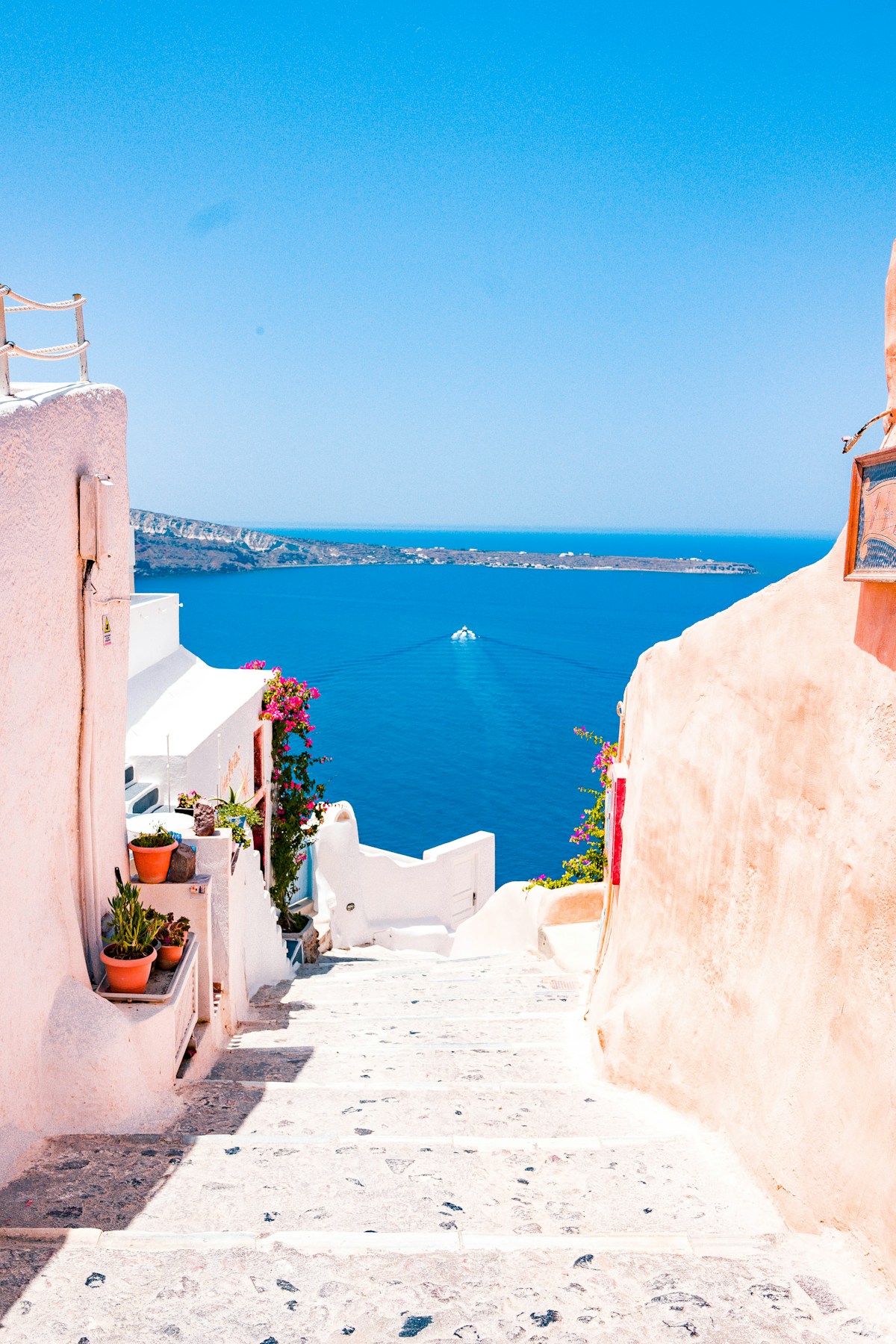
Santorini is the most dramatic of the Cyclades — its caldera, formed by one of the largest volcanic eruptions in recorded history, creates the iconic crescent shape and the cliff-top villages of Fira and Oia that have become among the most photographed places on Earth. It is genuinely spectacular and genuinely crowded in high season. The private terrace of a caldera-view suite at dawn, before the first ferry disembarks, is worth protecting.
Paros and Antiparos, a 30-minute ferry apart, offer the same Cycladic architecture at a fraction of the footfall — marble-paved Parikia, fishing villages on the southwest coast, and an intimacy that the larger islands have largely surrendered. Folegandros, at the southwestern edge of the group, remains one of the Aegean's finest kept secrets: a clifftop Chora with no cars, a handful of exceptional small hotels, and sunsets over the open sea that guests describe for years afterward.
- Santorini: Caldera views, volcanic beaches, world-class wine estates producing Assyrtiko — arrive by private yacht or ferry; avoid August if crowds concern you
- Mykonos: Cosmopolitan, energetic, with exceptional beach clubs and acclaimed restaurants; best visited for exactly what it is
- Paros / Folegandros: Quieter alternatives with the same Cycladic beauty and far greater sense of discovery
The Peloponnese: Greece Beyond the Islands
For travelers looking beyond the Aegean, the Peloponnese peninsula rewards those who reach it. Nafplio — arguably the most beautiful town in mainland Greece — is a Venetian-era port city with a medieval fortress above it and a bay that catches the afternoon light like nowhere else on the mainland. The nearby site of Mycenae, with its Lion Gate and the legendary shaft graves excavated in the 1870s, is one of the most compelling Bronze Age sites in Europe. Epidaurus, a short drive south, holds the best-preserved ancient Greek theater in the world: its acoustics, tested by dropping a coin on the orchestra floor while standing in the back row of the upper tier, remain extraordinary after 2,400 years.
The Mani — the middle finger of the Peloponnese's three southern peninsulas — is a landscape of tower houses, Byzantine chapels, and a coastline that combines sea caves with small pebble coves in a way that feels entirely undiscovered. It is the version of Greece that existed before tourism arrived, and it is still there for travelers who seek it out.
When to Go and How to Move Through Greece
May and June offer the best combination of warmth, light, and manageable crowds across both Athens and the islands. September and October extend the season beautifully — the sea retains its warmth well into autumn, the tourist density thins considerably, and the quality of the light on the Cycladic walls in the late afternoon of a September evening is something that photographs never quite capture.
July and August deliver the full Aegean summer — the Meltemi wind cools the islands in the afternoons, and the experience is joyful if you choose the right locations and the right accommodation. But the pressure on the most popular destinations is real, and building buffer days and private arrangements into a high-season itinerary is not a luxury — it is what makes the difference between the trip you imagined and the trip you actually have.
If Greece is where your next journey takes shape — whether it begins in Athens, among the Cyclades, or in the deep south of the Peloponnese — speak with our European specialists about building an itinerary that gives each place the time it deserves.