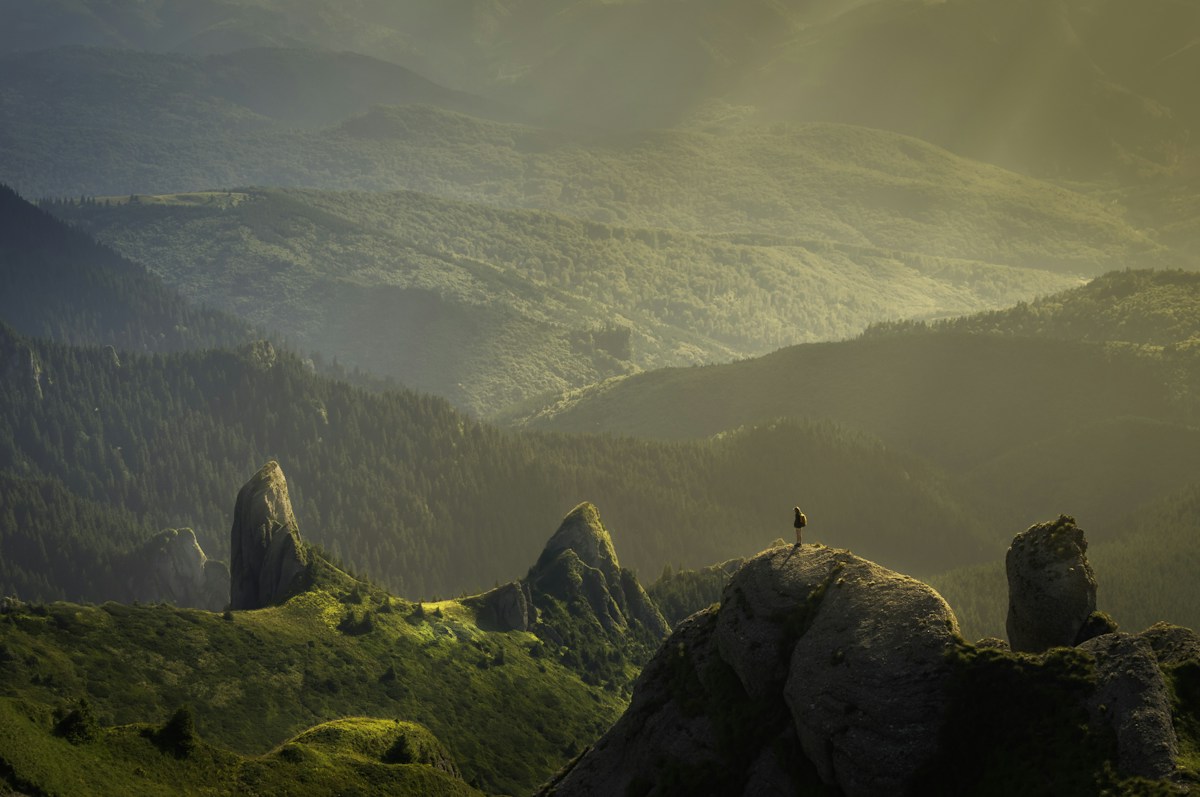
The Scottish Highlands offer something an increasing number of the world's great landscapes cannot — genuine emptiness. Moorland without a building, lochs without a boat, and a silence that feels like presence rather than absence.
The Highlands on Their Own Terms
There is no shortcut to the Scottish Highlands. The roads that wind through Glen Coe and along the shores of Loch Ness are slow by design — the landscape demands it. And that slowness, once you surrender to it, is precisely the point. The Scottish Highlands offer something that an increasing number of the world's most significant landscapes cannot: genuine emptiness. Moorland that extends for miles without a building. Lochs that hold the sky's reflections without a boat on the water. A silence, interrupted only by wind and the occasional curlew, that does not feel like an absence but like a presence all its own.
The VisitScotland authority has worked for decades to develop tourism infrastructure that preserves the Highlands' character rather than overwhelming it, and the result is a region where exceptional accommodation — castle hotels, converted sporting estates, intimate country house properties — sits within the landscape rather than beside it.
Castle Hotels and Country House Retreats
Scotland has more castles per square mile than almost any country on Earth, and a meaningful number of them have become some of the finest hotels in Britain. Inverlochy Castle at the foot of Ben Nevis, Gleneagles in Perthshire, Aldourie Castle on Loch Ness — these properties do not merely occupy historic buildings; they are shaped by them. The experience of sleeping in a castle, walking its grounds before breakfast, and sitting at dinner in a dining room where the portraits on the walls predate the United States by centuries is a particular kind of travel luxury that no amount of contemporary design can replicate.
Beyond the headline names, the Highlands and Islands are scattered with smaller country house hotels and converted sporting lodges that offer exceptional personal service, direct access to private fishing and stalking, and a staff-to-guest ratio that genuinely distinguishes them from larger, more formal properties. For many of our clients, these smaller properties — where you know the manager by name and the chef asks what you would like for tomorrow's breakfast — become the defining accommodation experiences of their travel lives.
Whisky: Scotland's Liquid Landscape
Scotch whisky is geography in a glass. The character of the spirit in your tumbler — the peat smoke of Islay, the fruit and honey of Speyside, the maritime salt of the Orkney Islands — reflects the water, the air, and the barley of the place where it was made. Understanding whisky as a travel experience rather than simply a drink transforms how you move through the Highlands.
Speyside, in the northeast, contains the highest concentration of distilleries in the world — over 50 within a relatively compact valley. Private distillery visits at the senior level — the kind that require an introduction, and that take you through warehouses of maturing casks to compare whisky drawn directly from the wood — are among the most memorable experiences the region offers. The Scotch Whisky Experience provides excellent context, but it is the distillery visits themselves that turn appreciation into genuine understanding.
- Speyside: Fruit-forward, approachable styles — Glenfarclas, Glenfiddich, the Macallan. Best paired with a country house base in Dufftown or Grantown-on-Spey.
- Islay: An island of extraordinary raw beauty, home to the most intensely peated whiskies in Scotland — Ardbeg, Laphroaig, Lagavulin. Reached by ferry or small aircraft from Glasgow.
- Orkney: Scotland's northernmost whisky region, producing the singular Highland Park — maritime, heathery, with a sweetness that sets it apart from anything made on the mainland.
The NC500 and the Far North
The North Coast 500 — a 500-mile route around the northwest coastline of Scotland beginning and ending in Inverness — is one of the great road journeys in Europe. It passes through landscapes that shift from the red sandstone of Wester Ross to the ancient Torridonian mountains of Assynt, from the sea stacks of Sutherland to the white sand beaches of the far north coast at Durness. The NC500 route is well-documented, but the difference between following it on a standard map and covering it at your own pace with a driver-guide who knows which unmarked tracks lead to the best views is the difference between sightseeing and genuinely understanding the north.
The far north is where the Highlands feel most like themselves: the population thins to near nothing, the roads narrow to single-track, and the sense of reaching the edge of the world — the final few miles before the land drops into the Atlantic — is entirely real. For travellers who have been everywhere and are looking for a landscape that still genuinely surprises, the Scottish north coast delivers.
When to Go and What to Expect
The Highlands reward travel in every season, but each delivers a different experience. Summer (June to August) brings long days — in the far north, the sky never fully darkens in midsummer — and the best conditions for the NC500 and hill walking. Autumn turns the birch and rowan a deep gold, the stags are roaring on the hillsides during the rut, and the quality of the light on the lochs is something photographers plan entire trips around. Winter brings snow to the high ground and a stillness to the glens that is unlike any other time of year; skiing at Cairngorm, open fires in a Highland lodge, and the northern lights visible on clear nights from the far north coast.
If the Scottish Highlands are calling, speak with our UK specialists about building a private Highland journey — from the castle hotels of Perthshire to the whisky distilleries of Speyside and the wild north coast — designed entirely around how you want to travel.