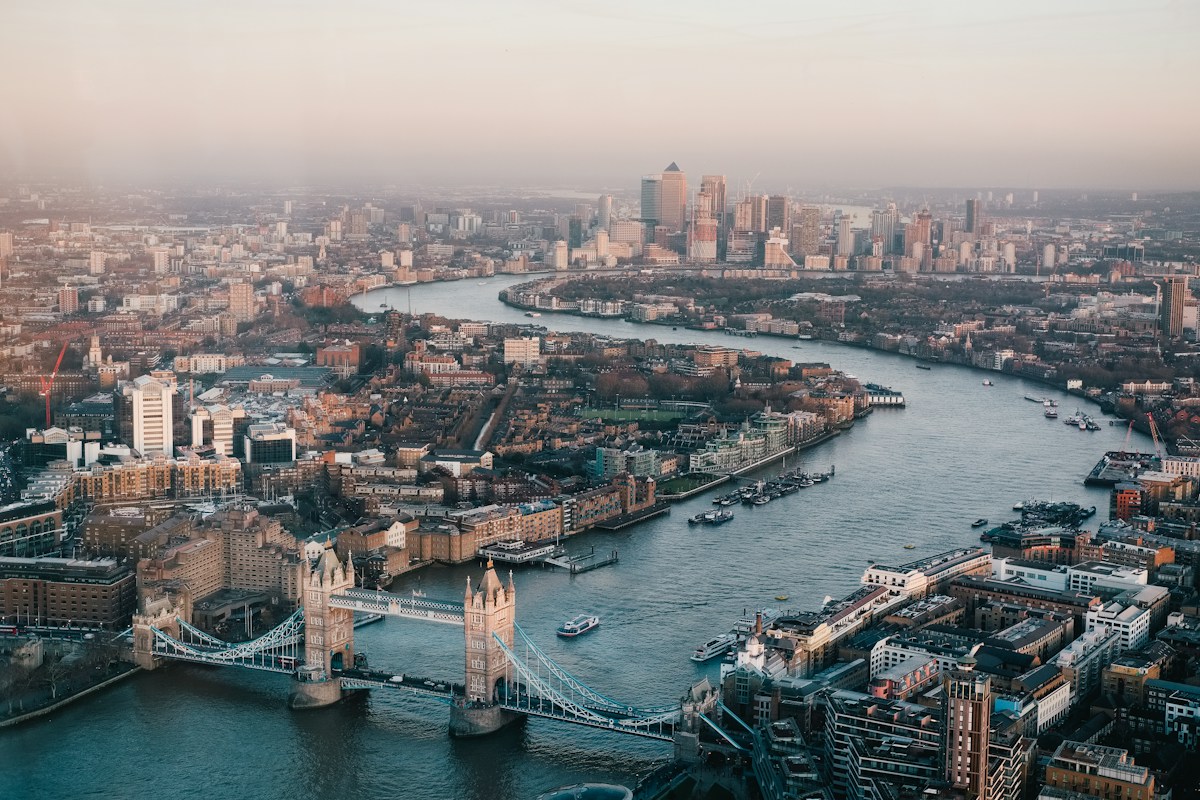
Few cities reward genuine curiosity the way London does. Know it well, visit it often, and it still reserves something new — a neighborhood not yet walked, a museum room not yet stood in, a meal that reorients everything you thought you knew.
Written by the Explorify specialist team · Published 26 September 2026
A City That Never Quite Resolves
London is one of those rare cities that never resolves into familiarity. You can know it for decades — its parks, its galleries, its particular rhythm of formality and irreverence — and still find a street you have never turned down, a restaurant with no right to be as good as it is, a museum room that makes you stand still far longer than intended. For the discerning traveller, this is exactly the right problem to have: a city of such accumulated depth that each visit can be built entirely differently from the last, and each one rewards the attention given to it.
The Visit London authority estimates the capital receives over 40 million visitors annually — a number the city's scale and variety absorbs in a way that smaller destinations cannot. The challenge is not the crowds themselves but knowing where to place yourself outside of them. A thoughtfully designed London journey moves through the city's finest quarters at the right hours, at a pace that allows the city to be felt rather than simply seen.
Where to Stay: The Hotels That Define the City
London's hotel landscape is among the finest in the world, and your choice of address shapes the entire character of your stay. Mayfair remains the natural home for the luxury traveller: Claridge's on Brook Street combines an Art Deco interior of extraordinary quality with service that never tips into stiffness. The Connaught, a short walk away on Carlos Place, offers something more intimate — fewer rooms, a garden, and the kind of considered quiet the larger grand hotels can only approximate. Further west, The Berkeley in Knightsbridge delivers a contemporary sophistication within walking distance of the Victoria and Albert Museum, its rooftop pool looking out over the plane trees of Hyde Park.
For travelers who prefer the city at a more residential pace, boutique properties in Marylebone and South Kensington place you within morning farmers' markets, independent bookshops, and the particular social texture of a London living its own life rather than performing for visitors. The neighborhood you choose as your base determines more about your experience than the room you sleep in.
The Museums: London's Extraordinary Gift to the World
London's national museums do something very few cities' cultural institutions achieve: they are free to enter and extraordinary in quality. The British Museum holds one of the great encyclopedic collections of human civilization — the Rosetta Stone, the Sutton Hoo helmet, the Lewis Chessmen — in galleries that reward days of serious attention. The Victoria and Albert Museum in South Kensington is the finest decorative arts museum in the world, its holdings in fashion, jewelry, ceramics, and Islamic art setting a standard that equivalent institutions on other continents measure themselves against.
The National Gallery on Trafalgar Square holds the national collection of Western European painting from the 13th to the 19th century — Van Eyck, Velázquez, Vermeer, Turner, Constable — in galleries that combine scholarship with accessibility in a way that larger museums sometimes sacrifice. Arriving at opening time, before the day's tour groups accumulate, on a quiet Tuesday morning delivers the rarest experience available in a major city: being nearly alone with a masterpiece.
The Neighbourhoods Where London Lives
The London most visitors see — Buckingham Palace, Tower Bridge, the South Bank between Tate Modern and Borough Market — is genuinely worth the time spent in it. But the city reveals itself most fully in its residential neighborhoods, where the pace changes and the restaurant and retail culture operates on local rather than tourist terms.
Notting Hill, in late September when the summer crowds have moved on, is one of London's most beautiful urban environments: Edwardian terraces painted in muted colors along Blenheim Crescent and Clarendon Road, the Portobello Road market on Friday and Saturday mornings, and a restaurant culture in Westbourne Grove that rivals Chelsea at a fraction of the formality. Marylebone Village, running north from Oxford Street toward Regent's Park, combines exceptional food merchants and independent shops with neighborhood restaurants that define what urban luxury at street level actually means.
For evening dining, the geography of excellence extends further than most visitors travel. Soho's restaurant concentration remains the city's most reliably exciting, while neighborhoods like Bermondsey and Hackney deliver the next generation of London cooking — technically accomplished, ingredient-driven — to those willing to cross the river or travel east. The National Geographic travel guides consistently name London among the world's great dining cities, and the characterisation understates the case.
When to Go and How to Move Through It
London in September and October is the city at its most pleasurable: the summer heat has softened, the school-holiday visitor surge has subsided, and the cultural calendar — theater, opera, major exhibition openings — returns to full operation after the August lull. The light on the Thames in early October, low and specifically London's own, is the light that painters came here to find for centuries.
A well-designed London journey does not try to do everything. It chooses a neighborhood as a base, a cultural institution as the focus for each day, and two or three restaurants that justify the journey on their own terms. If a United Kingdom journey anchored in London is taking shape for you — or you want to combine the capital with the Scottish Highlands or the English countryside — speak with our specialists about designing it from scratch.