Switzerland
Alpine Grandeur & Artisan Luxury
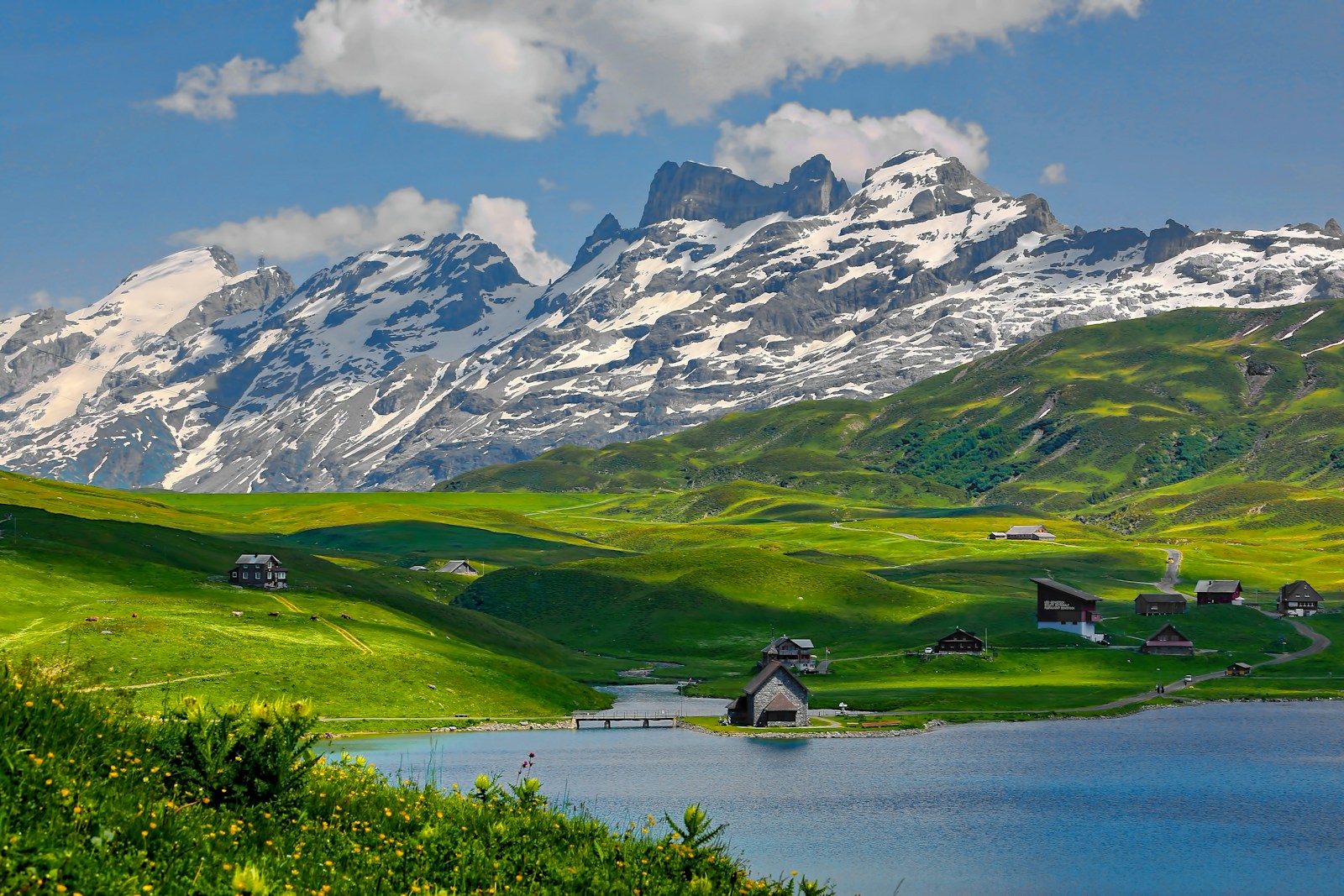
Switzerland is the Alps in their most extraordinary form — the Matterhorn, the Eiger, the Jungfrau, the Bernina — combined with a service culture and a standard of luxury hospitality that is almost without equal in Europe. A private Explorify Switzerland journey combines the grand hotel tradition of Zermatt, St Moritz, and Grindelwald with the railway journeys and mountain experiences that make this one of the most rewarding countries in the world for unhurried, high-quality travel.
Switzerland's genius is the combination of extraordinary natural landscape with exceptional human organization. The Glacier Express, the Bernina Express, and the Gotthard Panorama Express are among the world's great train journeys, passing through alpine scenery that changes from glaciated peaks to subtropical valley floors within the same journey. The grand hotels of Zermatt — Palace-style properties with direct Matterhorn views — and the spa culture of Gstaad and St Moritz represent the highest European tradition of alpine luxury. Lake Geneva, Lake Lucerne, and Lake Zurich each provide settings of remarkable beauty for slower, water-level exploration. And Switzerland's cities — Zurich, Basel, Geneva, Berne — combine world-class museums, restaurants, and design culture in compact, immaculately maintained settings.
Weather by Open-Meteo. Map © OpenStreetMap contributors.
Zermatt & the Matterhorn
Mountain ResortEurope's most iconic mountain — the 4,478-meter pyramidal peak that has been the symbol of the Alps since Edward Whymper's first ascent in 1865 — looms above the car-free village of Zermatt in a landscape of glaciers, moraines, and mountain railways. The Klein Matterhorn cable car, rising to 3,883 meters, provides the highest viewing platform in the Alps accessible without mountaineering experience. In winter, Zermatt offers skiing linked to the Italian resort of Cervinia, making it one of the largest ski areas in Europe.
Bernese Oberland
Mountain RegionThe most dramatic concentration of alpine scenery in Switzerland, the Bernese Oberland contains the Eiger, Mönch, and Jungfrau — the three peaks that define the skyline of the Swiss alps — above the valley towns of Grindelwald, Wengen, and Mürren. The Jungfraujoch railway station, at 3,454 meters the highest in Europe, provides access to the Aletsch Glacier — the longest in the Alps — and views from the top of Europe that are, on a clear day, incomparable.
Glacier Express
Scenic Railway JourneyThe world's slowest express train, the Glacier Express runs eight hours from Zermatt to St Moritz (or Davos) through 91 tunnels, across 291 bridges, and over the Oberalp Pass at 2,033 meters in panoramic carriages designed to maximise the view of the alpine landscape. The journey traverses virtually every type of Swiss landscape — the Rhône valley, the Surselva, the Engadine — and is rightly considered one of the great train journeys in the world.
Lake Geneva & Lavaux
Lake & UNESCO VineyardThe largest lake in Western Europe, shared with France, Lake Geneva's northern shore is one of the most beautiful in Europe — the Lavaux vineyard terraces, a UNESCO World Heritage Site, drop steeply to the lake from above Lausanne and Vevey in a landscape of extraordinary precision and beauty. The lakeside towns — Lausanne, Montreux, Vevey, and the medieval Château de Chillon on its rocky promontory — reward slow exploration on foot, by bike, or by private boat on the lake's glassy surface.
St Moritz & the Engadine
Alpine Resort & ValleySwitzerland's highest resort, at 1,856 meters in the Upper Engadine valley, St Moritz has hosted two Winter Olympics and is the origin of bobsleigh, alpine skiing, and the Cresta Run — all invented or popularised here in the 19th century. The resort's combination of mountain sport, grand hotel tradition, and a genuinely international clientele gives it a sophistication that other alpine resorts imitate but rarely match. In summer, the Engadine's lakes, glacier walks, and mountain bike trails are extraordinary.
Lucerne & Central Switzerland
Historic City & Lake DistrictThe most photogenic city in Switzerland, Lucerne is built around a medieval wooden bridge crossing the Reuss as it leaves Lake Lucerne, with the snow-capped peaks of Mount Pilatus and Mount Rigi rising directly behind the old town. The Lion Monument, the Swiss Transport Museum, and the perfectly preserved old town walls are supplemented by lake steamer access to the rural heartland of central Switzerland — the meadows, farmhouses, and mountain pastures of a landscape essentially unchanged since the Middle Ages.
Design Your Switzerland Journey
Your dedicated Europe specialist will build your itinerary from scratch — from the first conversation to the last day.
Enquire About SwitzerlandSchedule a ConversationWhatsApp Us NowResponse within 24 hours · No obligation
Tours and activities
Book tours, tickets and day trips through GetYourGuide.

See tours and activities on GetYourGuideTo show the activities here, accept advertising cookies in Cookie settings.
Switzerland: your questions, answered
When is the best time to visit Switzerland?
The best time to visit Switzerland is December to April (skiing); June to September (hiking and lakes); November for Christmas markets. Explorify times every itinerary to the season, so your specialist will confirm the ideal weeks for what you most want to experience.
How many days do I need in Switzerland?
Plan for 7–12 days. Because every Explorify journey is designed from scratch, the exact length is shaped around your pace and interests.
What are the highlights of Switzerland?
Matterhorn views from Zermatt — car-free, year-round access. Glacier Express train journey across the Alps. Bernese Oberland — Grindelwald, Lauterbrunnen, and Jungfraujoch. Lake Geneva and the Lavaux vineyard terraces. Top places include Zermatt & the Matterhorn, Bernese Oberland, Glacier Express and Lake Geneva & Lavaux.
How much does a private journey to Switzerland cost?
Private Explorify journeys to Switzerland start from $6,500 per person. The final figure depends on the season, where you stay and how you travel, and your specialist designs the journey to the level you choose.
How does Explorify plan a trip to Switzerland?
A dedicated Europe specialist who has visited Switzerland builds your itinerary from a blank page, handles flights, transfers and logistics end-to-end, and stays available 24/7 while you travel. There are no group departures, shared vehicles or off-the-shelf packages.
Plan Your Switzerland Journey
Tell us about your dream trip and your dedicated Switzerland specialist will respond within 24 hours.