France
The Art of Living
France is not one destination but a collection of distinct civilizations within a single border — Paris's concentrated genius, Provence's lavender-and-wine landscape, Burgundy's sacred vineyards, the Dordogne's prehistoric caves, the Alps' serene winter grandeur, and the Riviera's particular quality of light that has attracted artists for a century and a half. Explorify France journeys are designed around what you actually want from the country, not what everyone else does.
The temptation in France is to do too much. Paris alone can sustain a fortnight of genuine discovery without repetition — the museums, the markets, the restaurant scene, the architecture across its twenty arrondissements. Beyond Paris, Burgundy and Bordeaux represent the highest expression of what wine can be, and private visits to domaines and châteaux — in the company of the people who make the wine — are a completely different experience from standard cellar tours. Provence in summer, with its hill villages, lavender plains, and the markets of Aix-en-Provence, is one of Europe's most sensually pleasurable landscapes. The Loire Valley's concentration of Renaissance châteaux rivals anything in the world. Explorify's France specialists know the private properties, the lesser-known regions, and the introductions that distinguish a private journey from a well-organized holiday.
Weather by Open-Meteo. Map © OpenStreetMap contributors.
Paris
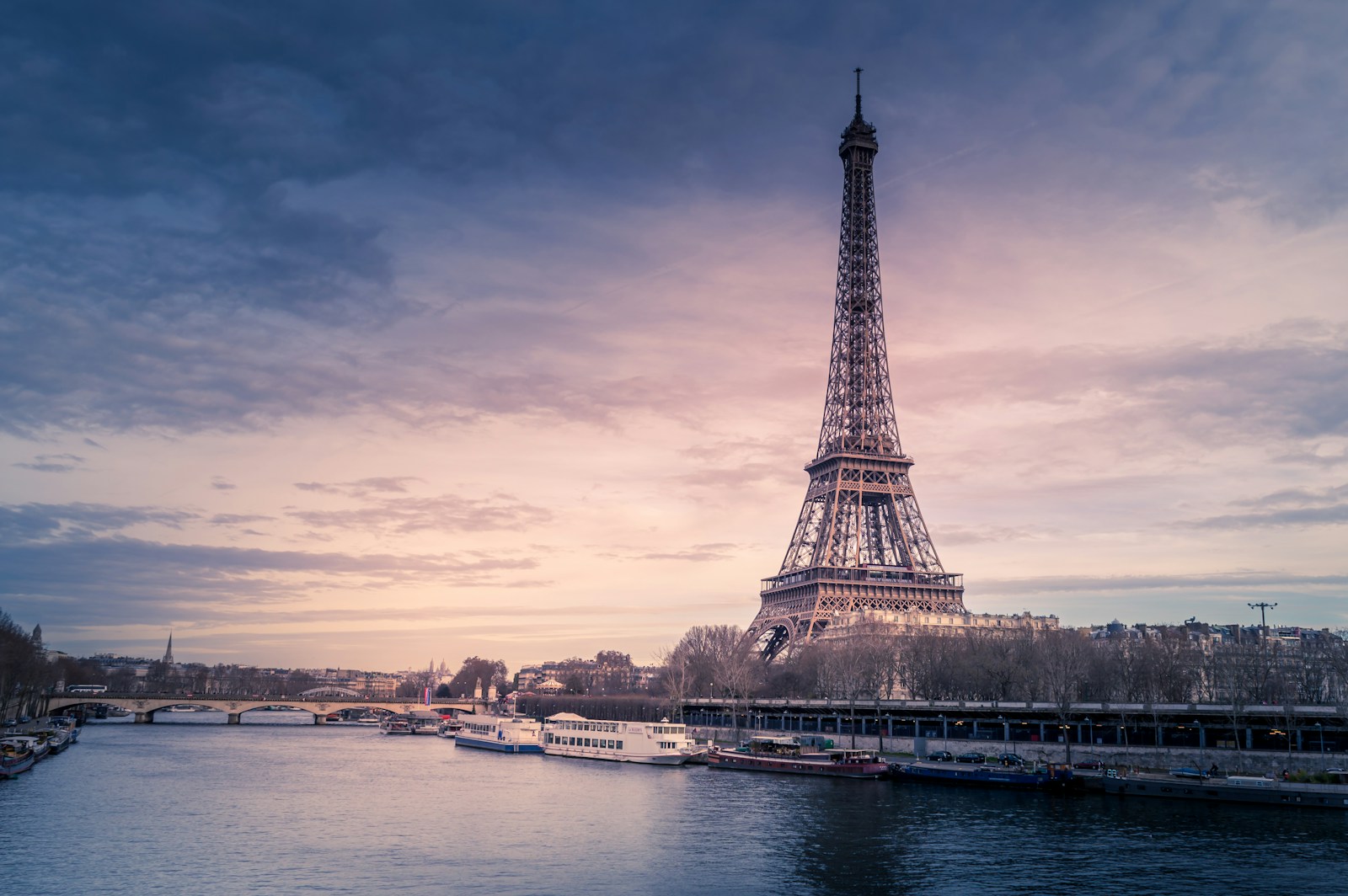
Capital CityThe most visited city in the world for consistent reasons — the Louvre, the Musée d'Orsay, Notre-Dame, the Eiffel Tower, and Versailles are among the great monuments of human civilization. But Paris rewards beyond the headline sights: the hidden courtyards of the Marais, the covered passages of the 2nd arrondissement, the morning market at Marché d'Aligre, and the contemporary art scene of the Belleville neighborhood offer layers of discovery that most visitors never reach.
Burgundy Wine Country
Wine RegionThe world's most hallowed wine region, where a strip of limestone hillside 50 kilometers long between Dijon and Beaune produces wines — Romanée-Conti, Chambolle-Musigny, Gevrey-Chambertin — that command higher prices than any other agricultural product on earth. Private visits to domaines at the grand cru level, where the winemaker opens bottles that rarely appear at public tastings, are among the most memorable food and wine experiences available anywhere in the world.
Provence & the Luberon
Regional LandscapeThe landscape that Van Gogh, Cézanne, and Matisse spent their careers trying to capture in paint — lavender plains between the Luberon and Mont Ventoux, perched villages of golden stone above river valleys, markets selling olives, tapenade, and fresh goat's cheese in the morning light. The hilltop villages of Gordes, Roussillon, and Les Baux-de-Provence are among the most beautiful in France, and the Pont du Gard Roman aqueduct — standing for 2,000 years — is nearby.
Loire Valley Châteaux
UNESCO World Heritage SiteThe valley of the Loire between Saumur and Blois holds the highest concentration of Renaissance architecture in the world outside Italy — Chambord, Chenonceau (built over the river itself), Villandry with its extraordinary geometric gardens, Azay-le-Rideau reflected in its moat. The valley was the playground of the French court in the 16th century, and its châteaux were built to impress a Renaissance king. Private evening access — after day-visitors have left — turns these monuments from tourist attractions into something closer to what they were intended to be.
The French Alps & Chamonix
Mountain RegionThe highest mountains in Western Europe — Mont Blanc at 4,808 meters — and the most developed skiing infrastructure in the world combine in a landscape of extraordinary grandeur. Chamonix, in the shadow of Mont Blanc, is the birthplace of mountaineering and offers glacier walks, cable cars to the Aiguille du Midi, and summer hiking on trails beneath permanent snow in conditions entirely different from the winter ski season. The Vallée Blanche ski descent — 20 kilometers of off-piste glacier skiing — is among the great ski experiences in the world.
Dordogne & Périgord
Historical RegionThe Dordogne valley in southwest France is one of Europe's most historic landscapes — the cave paintings of Lascaux and Font-de-Gaume represent the highest expression of Palaeolithic art, created 17,000 years ago and preserved in near-perfect condition. Above ground, the river is flanked by medieval bastide towns, Cathar castles, and the truffle markets of Sarlat, which make this one of the finest regions in France for the combination of prehistoric archaeology, medieval history, and exceptional cuisine.
Design Your France Journey
Your dedicated Europe specialist will build your itinerary from scratch — from the first conversation to the last day.
Enquire About FranceSchedule a ConversationWhatsApp Us NowResponse within 24 hours · No obligation
France: your questions, answered
When is the best time to visit France?
The best time to visit France is May to June and September to October; December for Christmas markets in Alsace. Explorify times every itinerary to the season, so your specialist will confirm the ideal weeks for what you most want to experience.
How many days do I need in France?
Plan for 8–16 days. Because every Explorify journey is designed from scratch, the exact length is shaped around your pace and interests.
What are the highlights of France?
Paris — private museum access and hidden arrondissement walks. Burgundy — grand cru vineyards and winemaker lunches in cave cellars. Provence — Luberon hill villages, truffle markets, and lavender in bloom. Loire Valley châteaux — private evening access and overnight stays. Top places include Paris, Burgundy Wine Country, Provence & the Luberon and Loire Valley Châteaux.
How much does a private journey to France cost?
Private Explorify journeys to France start from $6,000 per person. The final figure depends on the season, where you stay and how you travel, and your specialist designs the journey to the level you choose.
How does Explorify plan a trip to France?
A dedicated Europe specialist who has visited France builds your itinerary from a blank page, handles flights, transfers and logistics end-to-end, and stays available 24/7 while you travel. There are no group departures, shared vehicles or off-the-shelf packages.
Plan Your France Journey
Tell us about your dream trip and your dedicated France specialist will respond within 24 hours.