Croatia
Adriatic Splendour
Croatia's Dalmatian coast — over 1,000 islands stretching 600 kilometres along the Adriatic — combines medieval walled cities, clear turquoise sea, and a cuisine of Venetian and Mediterranean influences that is among the finest in Central Europe. Dubrovnik's Old Town, the islands of Hvar and Korčula, the Plitvice Lakes, and the UNESCO-listed city of Split: Croatia rewards those who move through it slowly, ideally from the water.
The best way to experience Croatia's coast is by private boat — moving between islands at your own pace, anchoring in deserted coves, visiting the weekly markets of small harbour towns, and arriving at Dubrovnik by sea as the medieval walls rise above the water at dusk. The inland region offers a completely different Croatia: the Plitvice Lakes National Park, with its sixteen terraced lakes connected by waterfalls of extraordinary colour, is one of the most beautiful natural sites in Europe. Istria in the north — its truffle forests, hilltop towns, and internationally acclaimed restaurants — has been called the Italian region that never became Italian. Explorify's Croatia specialists combine the private sailing experience with access to the vineyards, konobas, and winemakers of the Dalmatian hinterland.
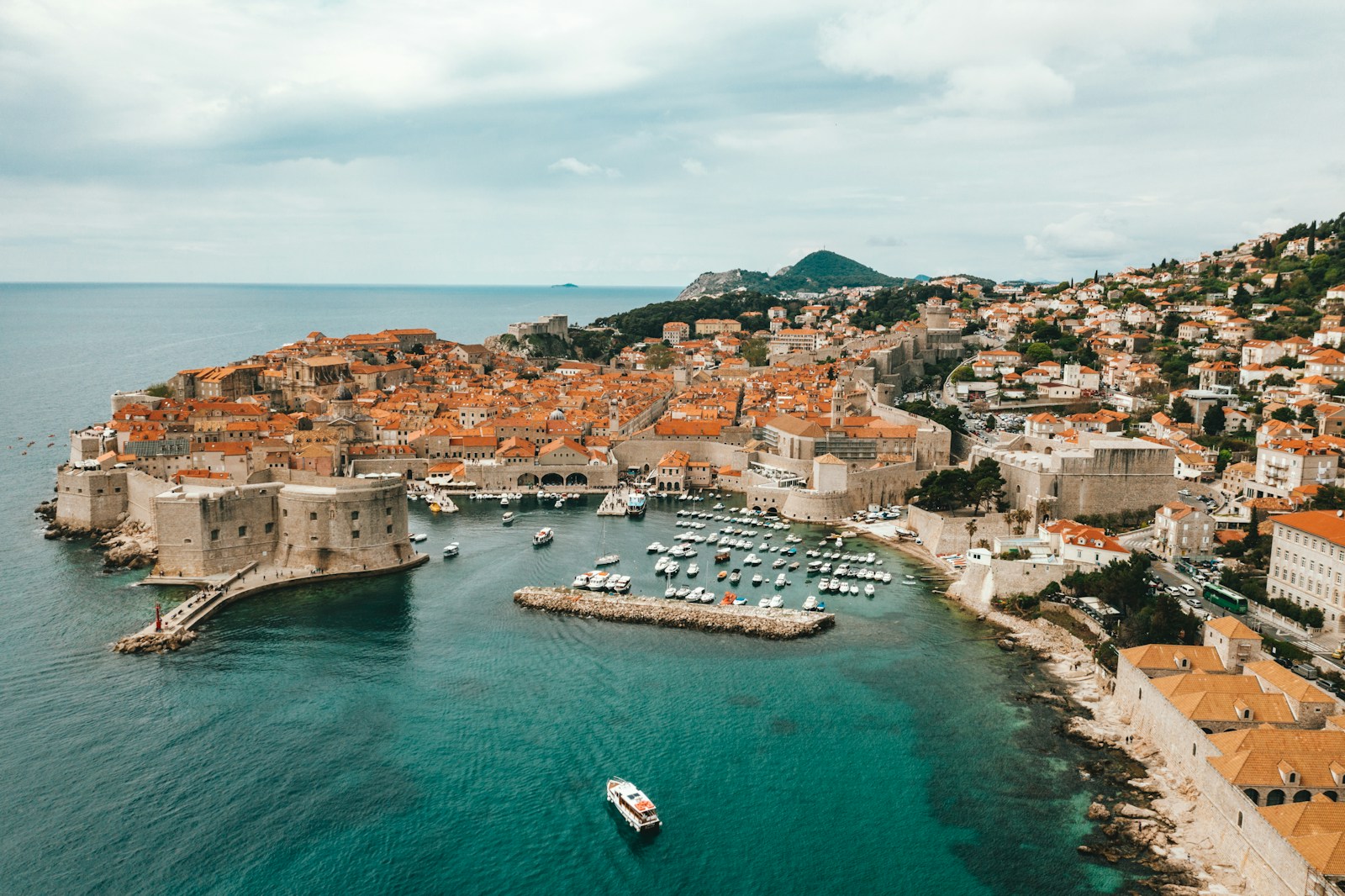
Dubrovnik Old Town
UNESCO World Heritage SiteOne of the best-preserved medieval city walls in the world enclose a city of Baroque churches, limestone streets, and a marble-paved main promenade — the Stradun — that has served as the social centre of Dubrovnik life since the 13th century. The city walls, 1,940 metres in circumference and walking distance in their entirety, provide views of the Old Town's terracotta rooftops and the Adriatic beyond that are among the most beautiful in Europe. Arriving at Dubrovnik by sea at dusk, as the walls are lit and the boats in the harbour rock gently, is one of the great arriving moments in travel.
Hvar Island
IslandThe sunniest island in Croatia and one of the most beautiful in the Adriatic, Hvar combines a medieval walled town with an interior of lavender fields, cypress forests, and ancient dry-stone walls, and a coastline of extraordinarily clear water with coves accessible only by boat. The Pakleni Islands, a short boat ride from Hvar town, offer the best swimming in the Adriatic in a landscape of pine-covered islets and sheltered anchorages where the water is shallow enough to see the seabed from the surface.
Plitvice Lakes National Park
UNESCO World Heritage SiteThe jewel of Croatia's interior, Plitvice Lakes consists of sixteen terraced lakes connected by a series of waterfalls — the colour of the water, produced by the interaction of minerals, algae, and sunlight, shifts continuously through the day from turquoise to mint green to deep emerald. The park was established in 1949 and is entirely car-free within its boundaries; wooden boardwalks and boat ferries across the largest lakes provide access to a landscape that requires no photographic enhancement to look extraordinary.
Split & Diocletian's Palace
UNESCO World Heritage SiteBuilt by the Roman emperor Diocletian as his retirement palace in 305 AD and continuously inhabited for 1,700 years, Diocletian's Palace now forms the living centre of Split — a labyrinth of medieval apartments, restaurants, and boutiques occupying the rooms and cellars of an ancient Roman imperial residence. The cathedral is the world's oldest continuously used in its original building, converted from Diocletian's mausoleum in the 7th century. The view from the palace walls across Split harbour to the Brač island peaks is one of the finest in Dalmatia.
Korčula Island
IslandA long, forested island in central Dalmatia with a medieval walled town often compared to Dubrovnik in miniature, Korčula is claimed by locals to be the birthplace of Marco Polo — a claim impossible to verify and entirely credible to believe when standing in the narrow streets of the old town. The island's interior vineyards produce Pošip and Grk, two white wines unique to Korčula, and the weekly moreška sword dance, performed continuously since the 16th century, is one of the most authentic folk traditions in the Adriatic.
Istria
PeninsulaA triangular peninsula at the northern tip of the Adriatic, Istria was Venetian for 400 years and retains the lion of St Mark above doorways and in piazzas from Pula to Rovinj, alongside a cuisine shaped by centuries of Italian influence — truffles, prosciutto, olive oil, and wines that compete with any in Italy. Motovun, Grožnjan, and Oprtalj are hilltop towns largely undiscovered by mass tourism, and the truffle forests around Buzet produce some of the finest black and white truffles in Europe.
Design Your Croatia Journey
Your dedicated Europe specialist will build your itinerary from scratch — from the first conversation to the last day.
Enquire About CroatiaWhatsApp Us NowResponse within 24 hours · No obligation
Plan Your Croatia Journey
Tell us about your dream trip and your dedicated Croatia specialist will respond within 24 hours.
© 2026 Explorify LLC · [email protected] · +1 (431) 533-9900