The skyline is familiar. The cultural institutions are legendary. And yet New York consistently surprises even those who know it well — because the city that rewards the visitor who slows down is a very different one from the city most people pass through.
Written by the Explorify specialist team · Published 23 September 2026
The City That Earns Every Superlative
There is a particular category of destination that requires no introduction and yet consistently surprises even those who know it well. New York is the defining example. The skyline is familiar from a thousand films and photographs. The cultural institutions are among the finest in the world. The food scene has long since established itself as one of the top three or four in any serious international comparison. And yet travelers return from New York — again and again, across decades — with the particular satisfaction of a city that reveals something new at every layer and in every season.
For the luxury traveller, New York rewards two things above all others: knowing where to stay, and knowing when to slow down. The city moves faster than almost anywhere on Earth, and the temptation to match its pace — filling each day with institutions, meals, and neighborhoods back to back — is worth resisting. New York's finest experiences belong not to those who sprint through the Metropolitan Museum or tick off reservations on a schedule, but to those who give a neighborhood a morning, a park an afternoon, and a restaurant a full evening without somewhere else to be.
The NYC Tourism and Conventions authority tracks visitor numbers that consistently rank New York among the three most visited cities on Earth. Understanding how to move through it at a different pace from the majority of those visitors is the first thing a genuinely good travel specialist offers.
Where to Stay: The Hotels That Define New York
New York's hotel landscape has no equal in the United States and arguably few peers anywhere. The Upper East Side — Madison Avenue between the Seventies and the Eighties — concentrates some of the most distinguished hotel addresses in the world: The Carlyle, which has occupied its corner of 76th Street since 1930 and whose Bemelmans Bar is one of the most perfect rooms in New York; The Mark, refined and contemporary, with its extraordinary Jean-Georges restaurant at street level; The Pierre, looking out over Central Park from its Fifth Avenue perch with the confidence of a building that has always known exactly where it stands.
Downtown delivers a different experience entirely. Aman New York, occupying the upper floors of the Crown Building on Fifth Avenue, offers an intimacy and quietude at the center of Manhattan that seems architecturally impossible but is entirely real. In Tribeca and the West Village, a handful of smaller boutique properties provide the sensation of living in the city rather than staying in it — the neighborhood's morning rhythm and local café culture becoming part of your daily experience rather than something observed from a hotel lobby.
The Cultural Institutions: More Than a Morning Each
The Metropolitan Museum of Art — on Fifth Avenue at 82nd Street, facing Central Park — is the largest art museum in the Americas and one of the three or four greatest encyclopedic museums in the world. A single visit, however thorough, is an orientation. The institution requires multiple visits across years before anything approaching familiarity begins to develop. Its collection spans 5,000 years of human civilization across all continents, and the quality of individual departments — the European paintings galleries, the Egyptian wing, the American wing at golden hour when afternoon light falls across the Charles Engelhard Court — represents civilization's effort to understand itself through the objects it made.
The Frick Collection, in its original Gilded Age mansion on Fifth Avenue, offers the experience of art in a domestic context that no purpose-built museum can replicate: Vermeers and Rembrandts in rooms where the furniture is also exceptional, in a building that was someone's home until 1935. MoMA, the Guggenheim, and the Whitney each occupy a distinct position in New York's cultural geography and deliver a different experience of art and the buildings that contain it.
The Neighbourhoods: Where New York Actually Lives
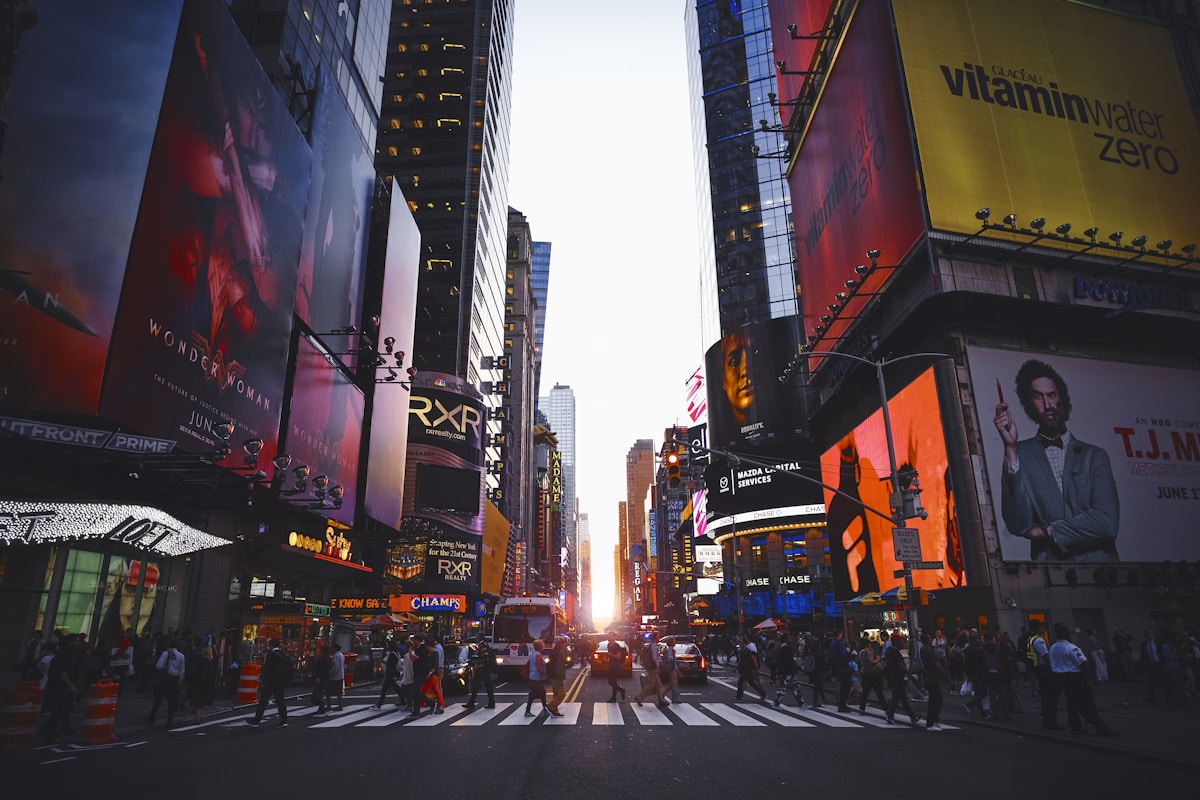
Central Park — 843 acres of landscape garden in the middle of the world's most densely developed island — is one of the great achievements of nineteenth-century urban design, and most visitors see it only from its edges. Walking into it properly, through the Ramble and past the Reservoir to the Conservatory Garden, delivers the city's most improbable pleasure: genuine natural quiet thirty minutes' walk from Times Square.
The West Village and Greenwich Village retain the human scale and tree-lined character of New York's pre-skyscraper residential past. Brooklyn — specifically Cobble Hill, Carroll Gardens, and Brooklyn Heights — offers a version of New York that operates at a pace the Manhattan grid does not permit. The Brooklyn Promenade, in the evening, delivers the most beautiful view of the Manhattan skyline available anywhere in the city, and the restaurants on Atlantic Avenue and Henry Street are among the most consistently excellent and least publicised in New York.
- Best season: October and November, when the city's trees turn and the summer tourist density has subsided. Spring (April and May) offers Central Park in blossom and outdoor café culture resuming after winter.
- Best base: Upper East Side for the museum mile and Central Park; Tribeca or West Village for a downtown, neighborhood-rooted experience.
- Non-negotiable morning: Central Park before 8 a.m. — the Reservoir loop or the Ramble — before the city has gathered its full pace.
National Geographic has described New York as one of the world's great walking cities — a characterisation that rewards testing in person, neighborhood by neighborhood, at your own pace. If a New York journey, or a broader United States itinerary, is taking shape for you, speak with our specialists about designing it around exactly how you want to experience the city.