Not all safari companies are equal — and at the luxury end of the market, the differences between them matter enormously. Here's how to tell them apart before you book.
Why Choosing the Right Safari Company Changes Everything
A safari is not a hotel stay. The quality of your experience — the animals you see, the camps you sleep in, the depth of understanding you leave with — is almost entirely determined by the expertise of the people who planned it and the guides who accompany you in the field. The difference between a mediocre safari and an extraordinary one is rarely the budget. It is almost always the company you chose, the guide they provided, and the decisions made before you ever boarded the flight.
This matters more in Africa than almost any other travel context. The continent is vast, the variation between operators is enormous, and the stakes — you may be spending more on this trip than on any other holiday of your life — are high enough to warrant genuine due diligence.
Destination Depth vs. Geographic Breadth
The first and most revealing distinction between safari companies is whether they are specialists or generalists. A generalist company offers safaris across twenty countries on the same website where they also sell European river cruises and Caribbean cruises. A specialist knows Africa — specifically, deeply, and from direct experience in the field.
This is not snobbery. It is a practical distinction with real consequences. The best safari guide in Kenya's Masai Mara is not interchangeable with the best guide in Botswana's Okavango Delta. The wildlife, the landscape, the logistics, the bush craft required — they are different in kind, not just in degree. A company that claims equal expertise everywhere has genuine expertise nowhere.
Ask any company you are considering: how long have your specialists been working specifically in this country? If the answer is years and the person can name specific camps, specific guides, and specific experiences from their own time in the field, you are talking to someone worth trusting. If the answer involves references to "our team's extensive experience," ask again, more specifically.
What Private Means — and What It Doesn't
The word 'private' appears frequently in luxury safari marketing. It is worth unpacking what it actually means in different contexts.
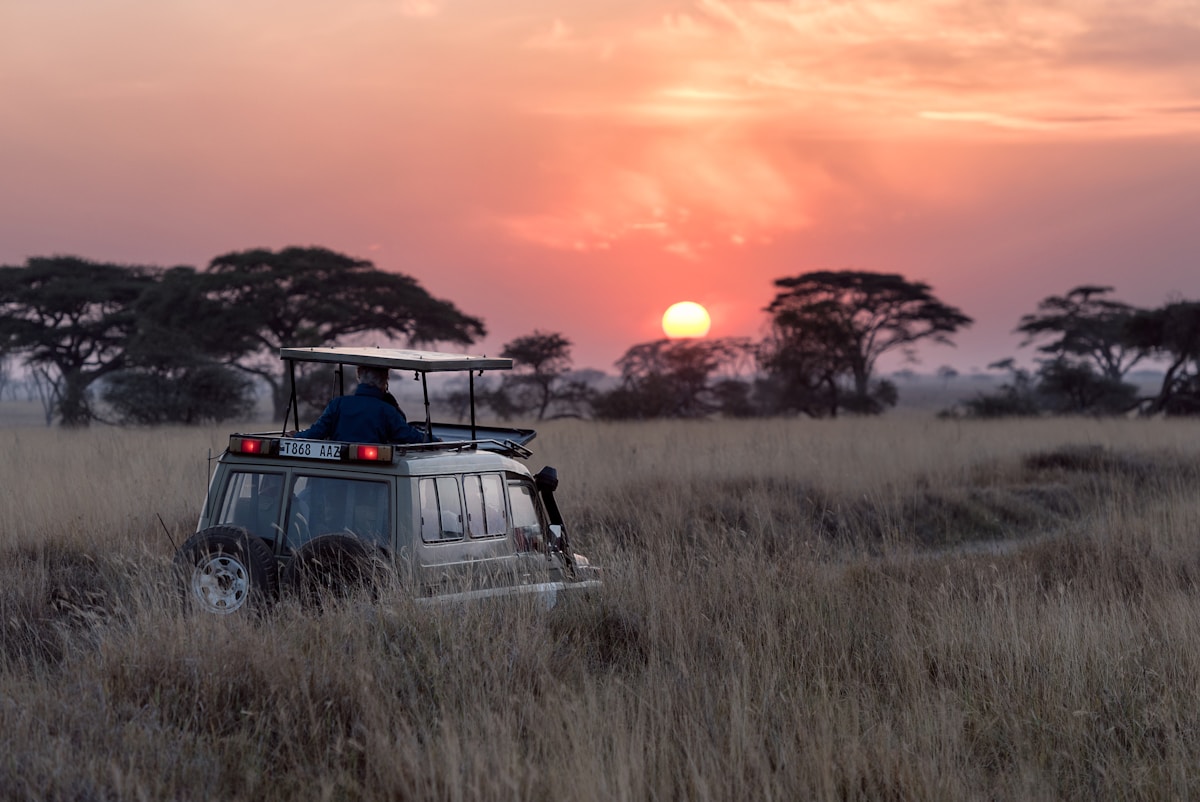
A private vehicle means your group has exclusive use of the safari vehicle and guide — you are not sharing with strangers from other booking parties. This matters enormously. It means your game drives move at your pace, stop when you want to stop, and spend time with the animals your group cares about rather than cycling through a schedule designed for an average set of interests. A private vehicle in a good concession area is one of the most significant quality upgrades available in safari travel.
A private conservancy means a protected area managed by a single operator or community group, with access restricted to guests of specific camps. The Okavango Delta private concessions, the conservancies surrounding Kenya's Masai Mara, and Zambia's Luangwa Valley operator agreements all fall into this category. In a private concession, your guide can follow an animal off-road, conduct night drives, and take you on walking safaris — none of which are typically permitted in general national parks.
Understanding which of these a company is offering — and in which combination — determines the character of the experience far more than the thread count of the camp linen.
The Guide Is the Safari
Of all the variables in a safari experience, the quality of your guide has the single greatest impact on what you take home. A skilled guide does not just find animals. They read the bush — tracking, interpreting behaviour, anticipating movement, understanding predator-prey dynamics — in ways that transform a series of animal sightings into a coherent, extraordinary story about the natural world.
The best guides in Africa — and there are genuinely exceptional ones — have spent decades building knowledge that no training course can replicate. Many of the finest are accredited by bodies like the Field Guides Association of Southern Africa (FGASA) at its highest levels, and have additional specialist qualifications in tracking, bird identification, and wilderness first aid. Asking a safari company about guide qualifications and specific guide assignments is entirely reasonable and any reputable operator will answer without hesitation.
Ask to be connected with your actual guide before you travel, if possible. Their willingness to communicate about your specific interests, fitness level, and what you most want to experience is itself a signal of how they approach their work.
Conservation Credentials: Why They Matter Beyond Ethics
The best safari camps in Africa are not just well-designed hotels in the bush. They are active participants in the conservation of the ecosystems that make the safari possible. Community-run conservancies in Namibia, private anti-poaching partnerships in Zimbabwe, rhino protection programmes in South Africa and Kenya: these are not branding exercises. They are the reason the wildlife that justifies the trip still exists.
Companies like African Parks and the African Wildlife Foundation document the link between responsible tourism and conservation outcomes in detail. Choosing a luxury safari company whose camp partners contribute meaningfully to this work is not a compromise — it actively improves the quality of the experience, because protected ecosystems with healthy wildlife populations deliver better game viewing than depleted ones.
Ask your safari company directly: which of your camps have formal conservation partnerships, and what specifically do those partnerships fund? A well-informed answer tells you both about the camps they work with and the quality of the company's own knowledge.
Red Flags Worth Watching For
- Fixed packages with fixed prices. Genuine bespoke safari companies do not have set packages. They build itineraries from the ground up around your dates, interests, fitness level, and travel companions.
- No named guide or specialist. If you cannot speak directly with the person building your itinerary before you commit, you are dealing with a booking platform, not a specialist company.
- Vague access claims. "Access to the finest camps in Africa" is meaningless. Specific relationships with specific properties — which your specialist can discuss in detail — is not.
- No after-hours support structure. Safaris involve remote locations, occasional flight changes, and the unexpected. If the company cannot clearly explain who handles emergencies outside office hours, that information matters.
Planning an African safari — whether in Kenya, Tanzania, Botswana, or South Africa — is one of the most rewarding decisions a traveller can make. Getting the company right is what ensures the trip lives up to that potential. If you are ready to have that conversation, our Africa specialists are here.